
Flexo vs Digital Printing: Which Is Better for Labels?
- Understanding label printing needs
- Applications & run lengths
- Materials & finishes
- Regulatory and brand requirements
- Flexo vs Digital: Technical comparison
- Print quality & color management
- Speed, setup time & cost per label
- Substrate compatibility & finishing integration
- When to choose a flexo printer machine
- Economics and ROI
- Case studies & industry examples
- Environmental and waste considerations
- Implementing the right solution & choosing partners
- Integration with packaging lines and finishing
- Selecting suppliers: Keshenglong & Shinko
- Maintenance, training & upgrades
- Decision framework: a step-by-step checklist
- 1. Map SKUs and run-length profile
- 2. Define substrate & finishing needs
- 3. Build TCO and ROI models
- Conclusions and practical recommendations
- Frequently Asked Questions (FAQ)
- 1. What is the typical crossover run length where flexo becomes cheaper than digital?
- 2. Can digital printers handle corrugated carton labels?
- 3. What environmental differences should I consider?
- 4. How important is inline finishing capability?
- 5. How do I choose a reliable flexo press supplier?
- 6. Is it worth buying a new flexo press vs. retrofitting?
Choosing between flexographic and digital printing for labels depends on your product mix, run-length profile, substrate needs and long-term cost structure. This article compares flexo and digital technologies from technical, economic and operational perspectives, with practical guidance on when a flexo printer machine (including integrated flexo printing slotting die-cutting solutions) outperforms digital alternatives — and when digital is the smarter option. Citations to industry standards and associations are provided to support recommendations.
Understanding label printing needs
Applications & run lengths
Label applications vary widely: consumer-packaged goods (food, beverage, personal care), industrial identification, corrugated carton labels, and promotional short runs. Run length is the single most important driver in choosing printing technology. Flexo excels for medium-to-long runs (typically thousands to millions of labels per job) due to amortized plate and setup costs; digital printing is often superior for short runs, variable data and rapid SKU changes. See FINAT and TLMI resources for industry trends on run-length segmentation: FINAT, TLMI.
Materials & finishes
Label stock ranges from papers and films to metallized substrates and pressure-sensitive adhesives. Flexo printing on a flexo printer machine is proven for a broad substrate range including kraft, coated paper and corrugated cartons. Digital presses have improved substrate compatibility but often require specialized inks or coatings for challenging materials (e.g., metallized or heavily textured substrates). ISO and material-handling guidelines (see Flexography (Wikipedia)) explain substrate limitations and pre-treatment needs.
Regulatory and brand requirements
For industries with strict color consistency and compliance (food labeling, pharmaceuticals), repeatability and certified color control matter. Flexo workflows integrated with color management tools and standardized proofing deliver stable results for high-volume production. Digital can meet brand color needs for small runs but may require profiling and tight process control.
Flexo vs Digital: Technical comparison
Print quality & color management
Flexo: Modern flexo systems, including high-resolution platemaking and anilox rollers, can produce excellent results with extended-gamut inks (6+ colors) and high-precision registration. For large runs, flexo delivers consistent color batch-to-batch when process controls are in place. See technical overviews at Wikipedia: Flexography.
Digital: Digital label presses (e.g., HP Indigo, Xeikon) provide superior handling of photographic images and variable data. Color stability depends on RIP profiles and ink chemistry; digital excels at short-run, high-variability projects which require no plates.
Speed, setup time & cost per label
Flexo: Higher initial setup time (plates, anilox setup), but higher running speed and lower unit cost for long runs. Digital: Minimal setup, near-instant job changes, higher per-unit ink costs at scale. The economic crossover depends on plate cost, run length and press speed.
Substrate compatibility & finishing integration
Flexo printing slotting die-cutting machines and integrated stacker solutions allow inline printing, die-cutting and slotting for corrugated carton labels, reducing handling and improving throughput. Digital presses often require more offline finishing steps, though some vendors offer inline finishing modules.
Table: Practical comparison of flexo vs digital for labels
| Metric | Flexo (flexo printer machine) | Digital |
|---|---|---|
| Best run length | Medium to long runs (thousands to millions) | Short to medium runs (single labels to thousands) |
| Setup time | Longer (plates, anilox, ink setup) | Minimal (file to press) |
| Unit cost | Low at scale | Higher at scale |
| Variable data | Limited (requires special workflows) | Excellent (native capability) |
| Substrate range | Very broad, including corrugated & films | Good but can need pre/post treatments |
| Inline finishing | High (die-cutting, slotting, stacking inline) | Varies; many require offline finishing |
| Color consistency | Excellent at volume with controls | Good for short runs with profiling |
| Typical applications | Corrugated carton labels, high-volume consumer labels | Promotions, variable-code labels, short runs |
When to choose a flexo printer machine
Economics and ROI
If your production profile includes regular medium-to-long runs, investing in or using a flexo printer machine yields a lower cost per label and faster throughput. Calculate ROI by modeling: plate cost per job, expected run length, press speed (m/min), and finishing savings from inline slotting die-cutting. Industry associations like TLMI provide benchmarking data for press speeds and costs (TLMI).
Case studies & industry examples
Examples from food and beverage converters show flexo's dominance for high-volume SKUs because of its ability to run on diverse substrates and integrate printing+cutting inline, reducing downstream labor and waste. Many corrugated box printers favor combined flexo printing slotting die-cutting machines to produce finished cartons directly on press lines.
Environmental and waste considerations
While digital reduces makeready waste for short runs, flexo's unit energy and material efficiency at scale often produce a lower environmental footprint per label for high-volume jobs. Water-based and UV-curable flexo inks, improved anilox technology and plate-making advances have reduced waste and VOCs. See ISO guidance on environmental management systems for manufacturing operations: ISO 14001.
Implementing the right solution & choosing partners
Integration with packaging lines and finishing
Choose equipment that minimizes touch points: integrated flexo printing slotting die-cutting and stacker machines can convert corrugated sheets to printed, die-cut cartons in a single pass, reducing inventory and labor costs. Inline top & bottom printing slotting die-cutting machines are especially valuable for high-speed carton production.
Selecting suppliers: Keshenglong & Shinko
Keshenglong, founded in 1995, is a leading manufacturer in China specialized in corrugated carton printing & packaging machinery. Their main products include flexo printer systems, computerized high-speed flexo slotting die-cutting machines (1-6 color), computerized high-speed flexo case makers, 6+1 high-precision precision printing slotting die-cutting machines, top & bottom printing slotting die-cutting machines, and jumbo-size flexo printing slotting die-cutting machines. Merged with Japan Shinko in 2017, the group retains Shinko as the R&D center and production base while maintaining another production base in Guangzhou, China. Key parts are imported from Japan, assembly and commissioning are guided by experienced Japanese technicians, and machines are factory-tested to meet stringent quality standards.
Keshenglong & Shinko competitive advantages:
- Integrated solutions: inline flexo printing with slotting die-cutting & stacking reduces handling and total cost of ownership.
- Japanese engineering and QC: post-merger R&D and production continuity with Japan Shinko ensures higher reliability and component quality.
- Proven export footprint: products shipped to 70+ countries, demonstrating global service and spare-parts networks.
- Range-fit: from 1-6 color flexo presses to 6+1 high-precision machines for demanding color work on corrugated cartons.
For product details and inquiries, visit https://www.shinkomachinery.com/ or contact Keshenglong at kl@keshenglong.com.cn. Their product lineup includes corrugated carton flexo printing machine, flexo printing slotting die-cutting machine, flexo printing slotting die-cutting and stacker machine, flexo printer, corrugated box printing machine.
Maintenance, training & upgrades
Long-term uptime is critical. Look for suppliers that provide on-site commissioning, preventive maintenance contracts, remote diagnostics and operator training. Keshenglong's Japan-instructed installation and testing approach reduces startups and shortens time-to-quality. Consider modular machines that can be upgraded (e.g., adding varnish stations, extra colors, inline inspection).
Decision framework: a step-by-step checklist
1. Map SKUs and run-length profile
List label SKUs, average and peak run lengths, frequency of changeovers, and required lead times. If most runs exceed the crossover run length (calculate using plate cost and unit economics), flexo is likely better.
2. Define substrate & finishing needs
If you need corrugated carton printing with slotting and precise die-cutting inline, favor flexo slotting die-cutting machines. If variable data and personalization dominate, digital will be necessary.
3. Build TCO and ROI models
Include capital cost, plate/makeready costs, ink & consumables, labor, downtime, finishing and waste. Compare scenarios over 3-5 years to account for market changes and volume growth.
Conclusions and practical recommendations
Flexo printing remains the workhorse for medium-to-high volume label and corrugated carton production where low unit cost, substrate flexibility and inline finishing matter. Digital printing is transformative for short runs, rapid turnarounds and highly variable data needs. Many converters find a hybrid approach — a flexo printer machine for regular high-volume SKUs and digital for promotional/variable jobs — offers the best commercial flexibility.
When selecting equipment and partners, emphasize proven field performance, service network, and the ability to perform on your specific substrates. Keshenglong & Shinko's combined strengths — decades of machine-building experience, Japanese-sourced critical parts, R&D continuity after the 2017 merger, and a global export record to 70+ countries — make them a strong candidate for converters seeking robust corrugated carton flexo printing machines and high-speed flexo slotting die-cutting solutions.
Frequently Asked Questions (FAQ)
1. What is the typical crossover run length where flexo becomes cheaper than digital?
The crossover depends on plate cost, press speed and ink cost. As a practical rule, many converters see flexo become more economical for runs above several thousand labels per SKU. For an accurate number, compute per-job plate & setup costs divided by expected run length and compare to digital per-unit ink and consumable costs. Industry benchmarks from TLMI and FINAT can help populate inputs: TLMI, FINAT.
2. Can digital printers handle corrugated carton labels?
Some digital presses can print on coated corrugated substrates with proper pre-treatment, but they often cannot match flexo for heavy-duty corrugated production or inline finishing like slotting and die-cutting. For high-volume corrugated carton work, a corrugated box printing machine with integrated flexo and slotting is generally preferred.
3. What environmental differences should I consider?
Digital reduces makeready waste for short runs and eliminates plate chemistry, but flexo's per-unit energy and material efficiency at volume can lead to lower environmental impact per label. Using water-based or UV-curable inks, optimizing makeready, and choosing efficient anilox and plate systems reduce environmental footprint. See ISO 14001 for environmental management guidance: ISO 14001.
4. How important is inline finishing capability?
Inline finishing (slotting, die-cutting, stacking) reduces handling, labor and lead time, and is particularly valuable for corrugated box production. If you need finished cartons or labels with complex die shapes at high speed, select integrated flexo printing slotting die-cutting machines.
5. How do I choose a reliable flexo press supplier?
Evaluate suppliers on machine uptime, global service/support, local spare-parts availability, references from similar users, and proof of component quality. Keshenglong & Shinko combine Chinese manufacturing scale with Japanese R&D and parts sourcing, tested onsite to high standards, and an established export record to 70+ countries. Visit Shinko Machinery for product details and contact kl@keshenglong.com.cn for tailored solutions.
6. Is it worth buying a new flexo press vs. retrofitting?
It depends on your needs. Retrofitting may be cost-effective for modest performance upgrades, but new presses offer better energy efficiency, automation, and integration for inline finishing. Consider long-term productivity, spare-parts lifecycle and available financing when deciding.
Want personalized advice or a machine quote? Contact Keshenglong & Shinko for consultations on corrugated carton flexo printing machine options, including flexo printing slotting die-cutting and stacker machines, high-precision 6+1 configurations, and jumbo-size solutions. Visit https://www.shinkomachinery.com/ or email kl@keshenglong.com.cn to discuss your production profile and receive a tailored recommendation.
Tips for Wholesale automatic flexo printer machine
Why choose Keshenglong&Shinko high speed flexo folder gluer manufacturer
Wholesale full automatic flexo printing corrugated carton pizza box making machine manufacturer and supplier in China
Sustainable flexo printing: Eco-friendly inks and waste reduction
Industry Solutions
Do you offer solutions for environmentally friendly packaging?
Yes, our machines can produce cartons from recyclable and biodegradable materials, supporting sustainable packaging solutions.
Can your machines handle high-volume production demands?
Yes, our machines are designed for high-volume production, ensuring reliable and efficient operation.
What kind of technical support do you offer for industry applications?
We provide comprehensive technical support, including installation, maintenance, and troubleshooting services.
Shipping
What are the shipping dimensions and weight of your folding carton machines?
Shipping dimensions and weight vary by model; please refer to the specific product details for accurate information.
Can I track my shipment once it has been dispatched?
Yes, we provide tracking information for all shipments so you can monitor the delivery status.
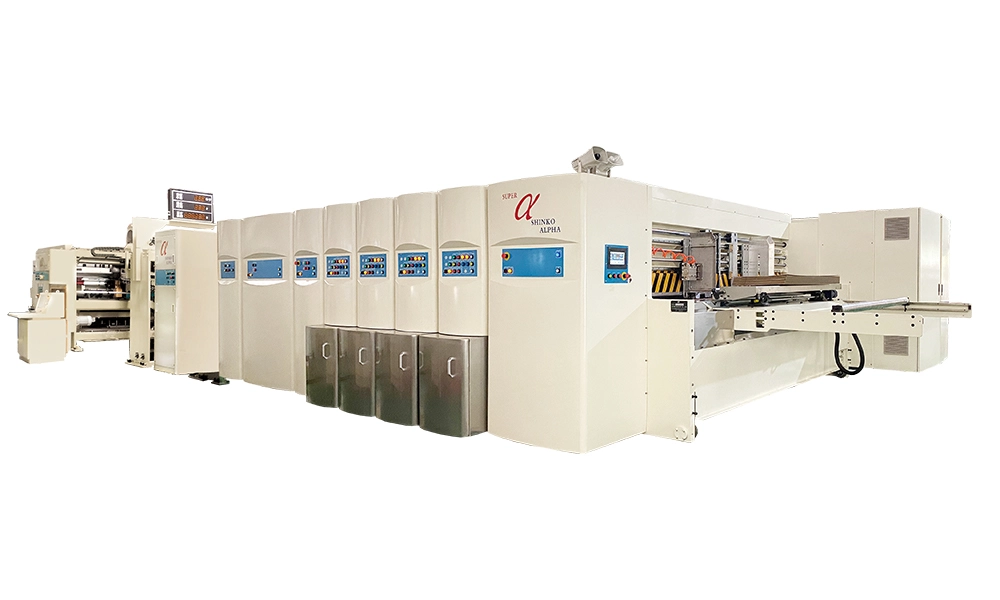
Shinko Super Alpha Movable Type Full Servo Drive Flexo Printing Slotting Die Cutting Inline Folding Gluing Counting Ejecting Machine
This state-of-the-art Movable Type Full Servo Drive Flexo Printing Slotting Die Cutting Machine streamlines your production with precision. Experience seamless operation with its Inline Folding Gluing Counting Ejecting capabilities, ensuring unparalleled efficiency. Designed for high-performance tasks, this Keshenglong&Shinko Super Alpha Movable Type Full Servo Drive Flexo Printing Slotting Die Cutting Inline Folding Gluing Counting Ejecting Machine enhances productivity while maintaining premium quality. Ideal for businesses seeking innovation and reliability, the Shinko Super Alpha is your go-to solution for advanced printing and cutting needs.
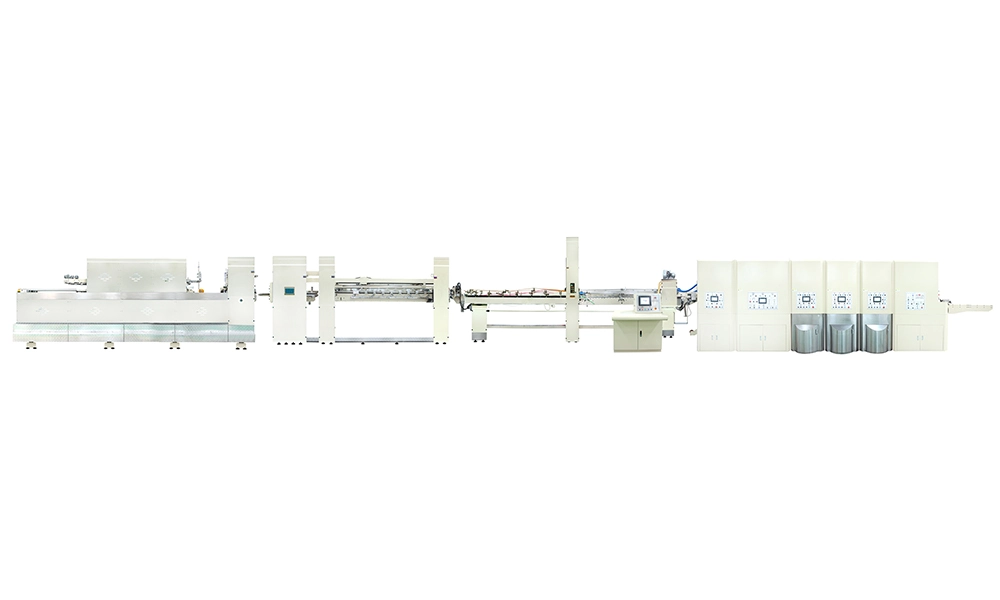
Computerized Flexo Printing Slotting Die-Cutting Inline Folding Gluing and Stitching Machine
Introducing the Keshenglong&Shinko Computerized Flexo Printing Slotting Die-Cutting Inline Folding Gluing and Stitching Machine, a pinnacle of precision and efficiency. This state-of-the-art machine revolutionizes packaging production with seamless integration of printing, slotting, die-cutting, folding, gluing, and stitching. Designed to optimize your workflow, the Computerized Flexo Printing Slotting Die-Cutting Machine enhances accuracy and productivity.
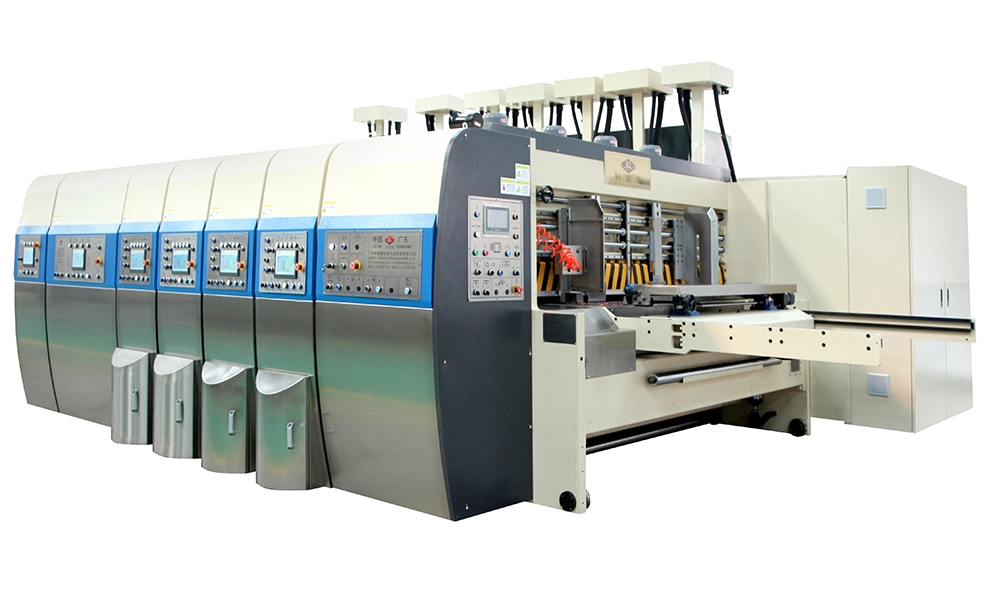
Computerized Flexo Top Bottom Printing Slotting Die-Cutting Machine
Introducing the Keshenglong&Shinko Computerized Flexo Top Bottom Printing Slotting Die-Cutting Machine, designed to enhance your packaging efficiency. Engineered for precision, this high-performance machine offers seamless integration of flexo printing and die-cutting processes. Perfect for a variety for packaging needs, it ensures superior quality and productivity. With user-friendly controls and robust construction, it guarantees reliable operation and minimal downtime. Optimize your production line with Keshenglong’s trusted technology. Explore advanced capabilities with our Flexo Top Bottom Printing Slotting Die-Cutting Machine today.
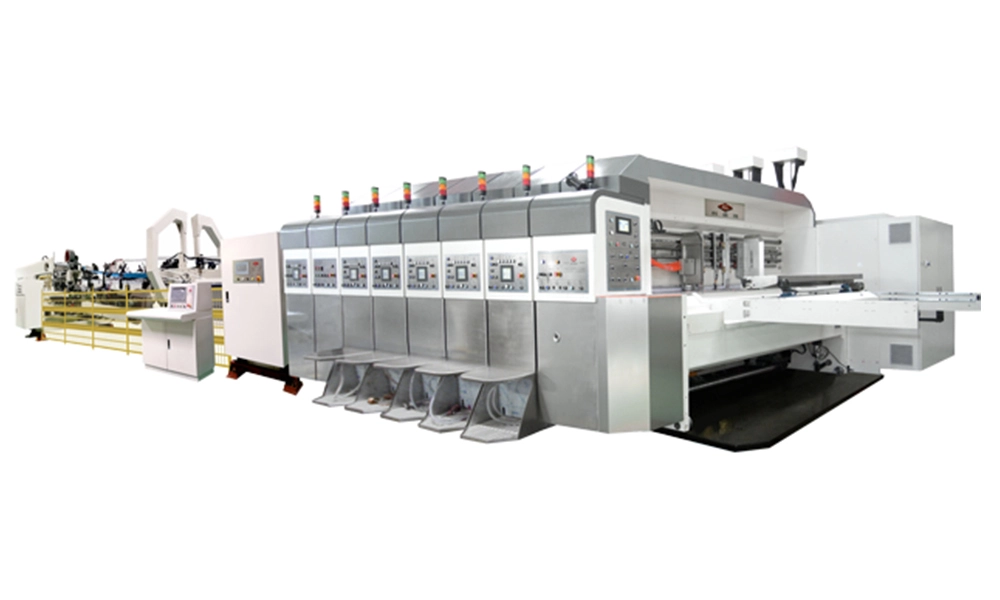
Computerized Flexo Printing Slotting Die-Cutting Inline Folding Gluing Countering Ejecting Machine Repeatable
Introducing the Keshenglong Computerized Flexo Printing Slotting Die-Cutting Inline Folding Gluing Countering Ejecting Machine. This advanced equipment delivers precision and efficiency for all your packaging needs. Perfectly designed for high-speed operations, it ensures seamless integration with your production line. Enhance productivity with our innovative technology that guarantees accurate printing, slotting, and die-cutting.


© 2025 Keshenglong & SHINKO All Rights Reserved.
Keshenglong Carton Packing Machine
Keshenglong Carton Packing Machine
Keshenglong Carton Packing Machine
Keshenglong Carton Packing Machine
Keshenglong Carton Packing Machine