
Comparing Flexo Press vs Digital and Offset Printing
- Choosing the Right Printing Technology for Packaging
- Primary use cases and business drivers
- Key performance metrics to evaluate
- Technical Differences: Flexo Press vs Offset vs Digital
- Print mechanism and plate/printing medium
- Color management, inks and print quality
- Substrates, finishing and inline integration
- Cost, Speed and ROI
- Setup costs, plates and per-unit economics
- Press speed, throughput and waste
- Operational Considerations and Sustainability
- Workflow, automation and quality control
- Environmental impact, inks and waste
- When to Choose Flexo Press over Digital or Offset
- Run length and unit cost tipping points
- Corrugated-specific reasons to favor flexo
- Why Keshenglong & Shinko for Corrugated Flexo Solutions
- Key products and integration advantages
- Competitive differentiators and technical strengths
- FAQ — Common Questions about Flexo Press vs Digital and Offset
- 1. When is a flexo press the best choice?
- 2. Can digital printing replace flexo for corrugated cartons?
- 3. How do setup costs compare between flexo and offset?
- 4. Are flexo inks environmentally friendly?
- 5. How do I evaluate ROI when choosing a printing technology?
- 6. What role do standards play in print quality?
- Contact and Next Steps
Flexo press technology has become a dominant choice in corrugated carton printing and high-volume packaging because it balances speed, substrate flexibility, and cost-effectiveness. This article compares flexo press with digital and offset printing from the perspectives of print mechanism, economics (setup and per-unit cost), speed and throughput, color quality, substrate compatibility, and environmental impact. The comparison is designed to help procurement managers, plant engineers, and brand owners select the proper technology for specific SKU mixes, run lengths, and sustainability targets.
Choosing the Right Printing Technology for Packaging
Primary use cases and business drivers
Understanding why you need printing clarifies which technology is appropriate. Typical use cases include:
- High-volume corrugated cartons for e-commerce and retail — often dominated by flexo press due to speed and low per-unit cost.
- Short-run, variable-data or personalized packaging — digital printing is ideal because it eliminates plate setup and enables unique coding and personalization.
- High-fidelity graphic work on coated paper, brochures, or long-run packaging where color consistency and economy at scale favor offset printing.
For corrugated carton applications specifically, flexographic printing (flexo) is widely used; see the Flexographic Technical Association for industry practices and resources: https://www.flexography.org/.
Key performance metrics to evaluate
When comparing technologies, evaluate these metrics:
- Setup time and cost (plate making, color profiling)
- Run length economic break-even (when per-unit cost becomes competitive)
- Maximum press speed and actual achievable throughput
- Substrate compatibility (corrugated board, coated paper, films, labels)
- Color gamut, registration precision, and print consistency
- Workflow automation and integration with die-cutting and finishing
Technical Differences: Flexo Press vs Offset vs Digital
Print mechanism and plate/printing medium
Flexo press uses flexible relief plates (often photopolymer) that transfer low-viscosity inks from anilox rollers onto substrate. Its ability to print on uneven or porous surfaces—like corrugated board—makes it a natural fit for carton production. For background on flexography technology, see Flexography (Wikipedia).
Offset printing is an indirect process where ink is transferred from plate to blanket to substrate. It excels on coated, smooth stocks with high color fidelity. See Offset printing (Wikipedia).
Digital printing (electrophotographic or inkjet) deposits toner or ink without plates, enabling variable data and near-instant job changeovers. Refer to Digital printing (Wikipedia).
Color management, inks and print quality
Flexo inks have improved significantly; water-based, UV, and hybrid inks allow good color and durability when properly controlled. Anilox selection and plate quality are critical for tone and dot gain control. Offset can achieve very tight color tolerances with process and spot colors, guided by standards such as ISO 12647 (ISO 12647), which governs process control for offset.
Digital printing offers excellent short-run quality and variable color workflows, though traditionally its color gamut and certain substrate compatibilities lag commercial offset and flexo for some packaging applications. For packaging applications, digital is often complementary rather than a full replacement for flexo/offset.
Substrates, finishing and inline integration
Flexo presses are highly adaptable to corrugated board, paperboard, films, and laminates and can be integrated inline with slotting, die-cutting and gluing units. For corrugated packaging lines, integrated flexo slotting die-cutting machines and stackers reduce handling and improve throughput.
Offset is generally better on flat, smooth sheets and often requires separate finishing steps. Digital presses can handle many substrates but may require pre- or post-treatment for optimal adhesion and durability.
Cost, Speed and ROI
Setup costs, plates and per-unit economics
Flexo requires plate-making and anilox configuration; initial setup cost exists but is amortized over long runs. Digital printing eliminates plate costs, making it favorable for short runs and frequent design changes. Offset has plate costs similar to flexo but often lower ink consumption for certain long-run jobs.
Press speed, throughput and waste
Flexo presses, especially modern high-speed corrugated flexo printers, can operate at very high line speeds (hundreds of meters per minute depending on configuration) and are optimized for continuous production lines. Digital presses have lower top speeds but shorter turnaround times because of minimal setup. Offset presses can achieve high speeds on suitable substrates but are less common directly on corrugated lines.
| Criteria | Flexo Press | Digital Printing | Offset Printing |
|---|---|---|---|
| Best use case | High-volume corrugated carton & packaging | Short runs, variable data, prototypes | High-fidelity graphics on coated stocks, long runs |
| Setup cost | Medium (plates/anilox) | Low (no plates) | Medium (plates) |
| Per-unit cost (long runs) | Low | Higher | Low |
| Color quality | Good; improving with UV/waterborne inks | Very good for many applications; gamut varies | Excellent |
| Substrate flexibility | High (corrugated, films, boards) | Medium | Low on corrugated |
| Ideal run length | Medium to very long | Very short to medium | Long |
| Speed (practical) | Very high | Moderate | High |
| Inline finishing | Common (slotting, die-cutting, gluing) | Less common; often offline | Usually offline |
Source references for technology descriptions: Flexography (Wikipedia), Digital printing (Wikipedia), Offset printing (Wikipedia), and industry guidance from the Flexographic Technical Association.
Operational Considerations and Sustainability
Workflow, automation and quality control
Integrating prepress color management (PDF workflows, ICC profiles), automated plate changers, register control and inline inspection reduces downtime and waste. Flexo presses designed for corrugated production frequently include inline slotting and die-cutting to remove intermediate handling and accelerate throughput. Industry bodies and OEMs emphasize closed-loop color control to achieve repeatable quality for brand-sensitive packaging.
Environmental impact, inks and waste
Sustainability is a growing selection factor. Flexo's compatibility with water-based and UV-curable inks and efficient ink transfer reduces solvent emissions compared with older solvent-based systems. Digital printing reduces makeready waste because it needs no plates; however, toner or ink formulations and energy use should be considered. Manufacturers commonly report that optimizing press runs, ink choices, and recycling corrugated trim materially reduce environmental footprint—see packaging industry resources such as the Fibre Box Association.
When to Choose Flexo Press over Digital or Offset
Run length and unit cost tipping points
If your SKU mix contains many long runs or medium runs with consistent artwork across many pieces, flexo press will usually offer the best unit economics after the plate amortization. For variable-data campaigns, segmented personalization, or very short production runs, digital remains the better choice.
Corrugated-specific reasons to favor flexo
Corrugated substrates are uneven and absorbent; flexo printing's anilox/plate mechanisms accommodate these characteristics better than offset. Additionally, the ability to integrate printing with slotting, die-cutting and stacking—reducing manual handling and lead time—is a decisive advantage for corrugated carton converters focused on throughput and cost control.
Why Keshenglong & Shinko for Corrugated Flexo Solutions
Keshenglong, founded in 1995 and specializing in corrugated carton printing machinery, offers a portfolio tailored to corrugated packaging converters seeking integrated, high-throughput flexo solutions. Merged with Japan Shinko in 2017, Keshenglong retained Shinko as an R&D center and production base. Main parts are imported from Japan, and experienced Japanese technicians guide installation and commissioning to meet high quality standards.
Key products and integration advantages
The company’s product range includes:
- Flexo printer and corrugated carton flexo printing machines
- Computerized high-speed Flexo Slotting Die-Cutting machines (1–6 color)
- Computerized high-speed Flexo case makers and 6+1 high-precision Precision Printing Slotting Die-Cutting machines
- Top & Bottom Printing Slotting Die-Cutting machines and jumbo-size Flexo Printing Slotting Die-Cutting machines
- Flexo printing slotting die-cutting and stacker machines
These integrated solutions reduce line-to-line transfer, lower labor, and improve overall equipment effectiveness (OEE) for corrugated box production. Keshenglong’s global presence—exporting to over 70 countries—illustrates market acceptance and service capability. Visit their website: https://www.shinkomachinery.com/.
Competitive differentiators and technical strengths
Keshenglong & Shinko advantages include:
- Japanese-guided R&D and precision manufacturing practices ensuring stable print registration and long-term reliability.
- Imported critical components with on-site testing and commissioning for performance parity with High Quality Japanese machines.
- Full-line solutions from printing to slotting, die-cutting and stacking that minimize manual handling and speed up order-to-delivery cycles.
- Global aftermarket support and spare parts availability for continuous production—essential for converters with high uptime targets.
For sales inquiries or technical consultations, contact Keshenglong at kl@keshenglong.com.cn or visit their website.
FAQ — Common Questions about Flexo Press vs Digital and Offset
1. When is a flexo press the best choice?
Flexo is best for medium to long runs on corrugated and other packaging substrates where high throughput, low per-unit cost and inline finishing (slotting, die-cutting, gluing) are prioritized.
2. Can digital printing replace flexo for corrugated cartons?
Not entirely. Digital can replace flexo for short runs, prototypes, or personalized packaging. For very high-volume corrugated production with integrated finishing, flexo remains more economical and robust.
3. How do setup costs compare between flexo and offset?
Both flexo and offset require plates, so setup costs are comparable. Differences arise from plate materials, press automation, and substrate handling. Digital avoids plate costs, making it advantageous for short or variable runs.
4. Are flexo inks environmentally friendly?
Modern flexo systems can use water-based, UV, or eco-friendly inks with lower VOCs than older solvent-based inks. The overall sustainability depends on ink choice, waste management, and energy consumption; consult suppliers and standards for specific environmental credentials (e.g., ink MSDS and supplier certifications).
5. How do I evaluate ROI when choosing a printing technology?
Calculate total cost of ownership including capital expenditure, setup time, labor, materials (plates, inks), per-unit cost at expected run lengths, waste rates, and revenue impact from lead time or print quality. Perform a break-even analysis comparing per-unit costs across expected run lengths to determine the tipping point for each technology.
6. What role do standards play in print quality?
Standards such as ISO 12647 for process control (offset) and color management practices (ICC profiles) help ensure predictable print outcomes. The flexography sector also follows best practices and guidelines from industry bodies like the Flexographic Technical Association (FTA).
Contact and Next Steps
If your operation focuses on corrugated packaging and you need high-speed, integrated flexo printing with inline slotting and die-cutting, Keshenglong & Shinko offer proven solutions tailored to that market. For product details, technical specs, or a quote, visit https://www.shinkomachinery.com/ or email sales inquiries to kl@keshenglong.com.cn. Our specialists can help evaluate ROI, recommend machine configurations (e.g., 1–6 color flexo slotting die-cutting lines, 6+1 precision machines), and plan installation to meet your throughput and quality targets.
References and further reading: Flexography (Wikipedia) https://en.wikipedia.org/wiki/Flexography; Digital printing (Wikipedia) https://en.wikipedia.org/wiki/Digital_printing; Offset printing (Wikipedia) https://en.wikipedia.org/wiki/Offset_printing; Flexographic Technical Association https://www.flexography.org/; ISO 12647 overview https://www.iso.org/standard/42228.; Fibre Box Association https://fibrebox.org/.
OEM/ODM wholesale flexo folder gluer factory Manufacturers and supplier
How to Choose Right corrugated carton flexo printer machine manufacturer and supplier ?
Wholesale automatic flexo printing slotting ahd die cutting machine manufacturer and supplier
Top flexo printing slotting die-cutting and stacker machine Manufacturers and Suppliers in us
Industry Solutions
Do you offer customized solutions for unique production needs?
Yes, we work closely with clients to develop customized solutions that meet their specific production requirements.
How can your folding carton machines benefit my packaging business?
Our machines increase production efficiency, reduce labor costs, and ensure high-quality, consistent carton production.
Can your machines be integrated with digital printing technology?
Yes, our machines are compatible with digital printing systems for custom, high-quality printing on cartons.
Product
What materials are compatible with your folding carton machines?
Our machines are compatible with a wide range of materials including cardboard, corrugated board, and paperboard.
Shipping
What are the shipping dimensions and weight of your folding carton machines?
Shipping dimensions and weight vary by model; please refer to the specific product details for accurate information.
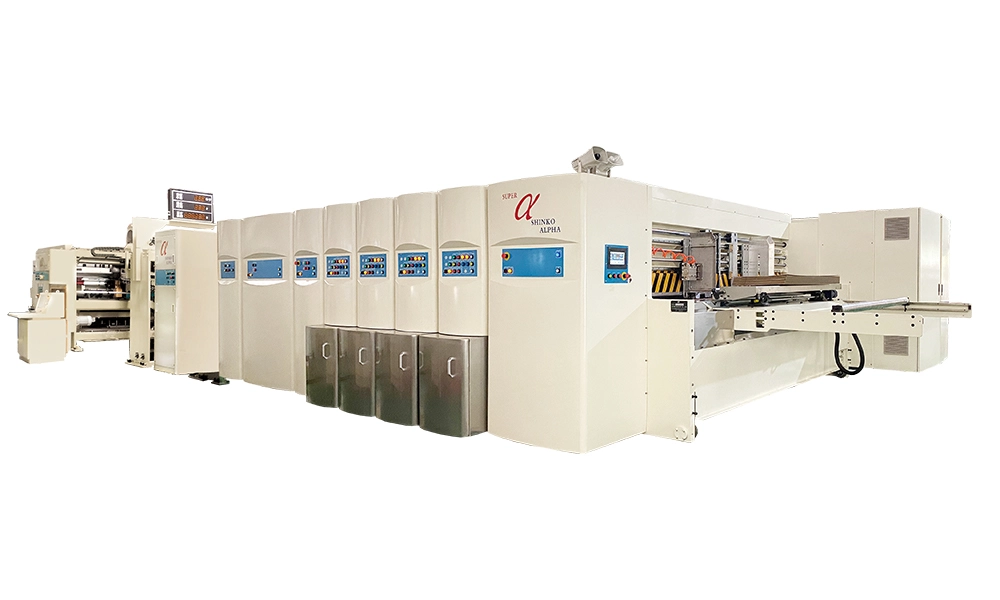
Shinko Super Alpha Movable Type Full Servo Drive Flexo Printing Slotting Die Cutting Inline Folding Gluing Counting Ejecting Machine
This state-of-the-art Movable Type Full Servo Drive Flexo Printing Slotting Die Cutting Machine streamlines your production with precision. Experience seamless operation with its Inline Folding Gluing Counting Ejecting capabilities, ensuring unparalleled efficiency. Designed for high-performance tasks, this Keshenglong&Shinko Super Alpha Movable Type Full Servo Drive Flexo Printing Slotting Die Cutting Inline Folding Gluing Counting Ejecting Machine enhances productivity while maintaining premium quality. Ideal for businesses seeking innovation and reliability, the Shinko Super Alpha is your go-to solution for advanced printing and cutting needs.
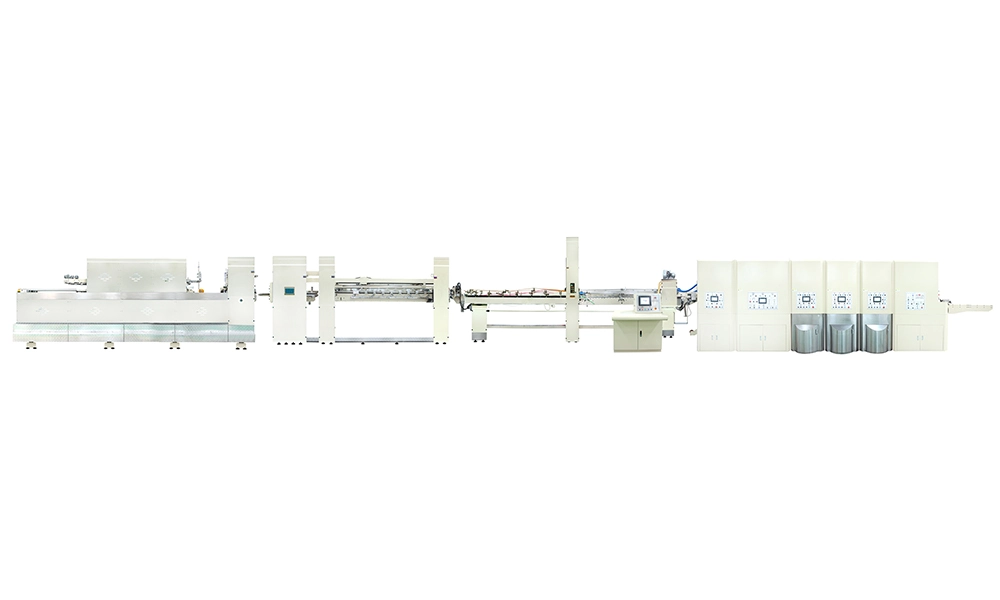
Computerized Flexo Printing Slotting Die-Cutting Inline Folding Gluing and Stitching Machine
Introducing the Keshenglong&Shinko Computerized Flexo Printing Slotting Die-Cutting Inline Folding Gluing and Stitching Machine, a pinnacle of precision and efficiency. This state-of-the-art machine revolutionizes packaging production with seamless integration of printing, slotting, die-cutting, folding, gluing, and stitching. Designed to optimize your workflow, the Computerized Flexo Printing Slotting Die-Cutting Machine enhances accuracy and productivity.
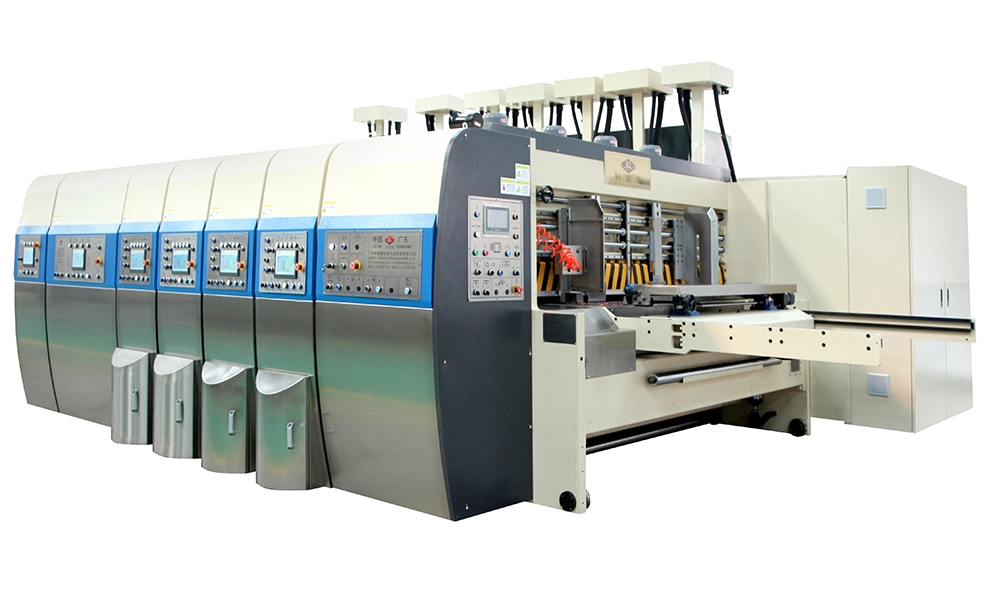
Computerized Flexo Top Bottom Printing Slotting Die-Cutting Machine
Introducing the Keshenglong&Shinko Computerized Flexo Top Bottom Printing Slotting Die-Cutting Machine, designed to enhance your packaging efficiency. Engineered for precision, this high-performance machine offers seamless integration of flexo printing and die-cutting processes. Perfect for a variety for packaging needs, it ensures superior quality and productivity. With user-friendly controls and robust construction, it guarantees reliable operation and minimal downtime. Optimize your production line with Keshenglong’s trusted technology. Explore advanced capabilities with our Flexo Top Bottom Printing Slotting Die-Cutting Machine today.
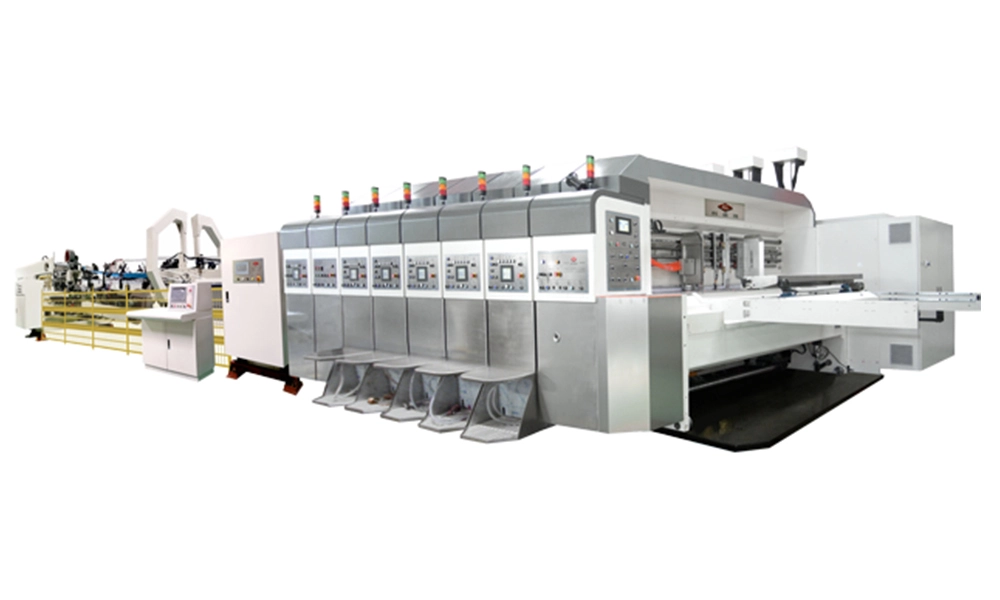
Computerized Flexo Printing Slotting Die-Cutting Inline Folding Gluing Countering Ejecting Machine Repeatable
Introducing the Keshenglong Computerized Flexo Printing Slotting Die-Cutting Inline Folding Gluing Countering Ejecting Machine. This advanced equipment delivers precision and efficiency for all your packaging needs. Perfectly designed for high-speed operations, it ensures seamless integration with your production line. Enhance productivity with our innovative technology that guarantees accurate printing, slotting, and die-cutting.


© 2025 Keshenglong & SHINKO All Rights Reserved.
Keshenglong Carton Packing Machine
Keshenglong Carton Packing Machine
Keshenglong Carton Packing Machine
Keshenglong Carton Packing Machine
Keshenglong Carton Packing Machine