
Flexo Press Buying Guide: Features, Specs, and Prices
- Understanding Corrugated Packaging Needs
- Market segments and production profiles
- Material and substrate considerations
- Production KPIs to define up front
- Key Features to Look for in a Flexo Press
- Print units, color management, and anilox selection
- Registration, repeat accuracy, and controls
- Drying/curing and ink systems
- Specifications and Performance Metrics
- Speed, web width, and repeat length
- Automation, quick-change features and OEE impact
- Energy, maintenance and spare parts
- Prices, ROI and Buying Considerations
- Typical price ranges (by configuration)
- Return on investment and cost of ownership
- Procurement checklist
- Vendor Spotlight: Keshenglong & Shinko
- Company profile and combined strengths
- Product lineup and technical differentiation
- Why Keshenglong could be a competitive choice
- Comparing Options: Sample Specification Table
- Procurement & Implementation Best Practices
- Factory Acceptance Testing and installation
- Service agreements and spare parts logistics
- Regulatory and environmental considerations
- FAQ — Common Questions When Buying a Flexo Press
- 1. How many colors do I need for corrugated carton printing?
- 2. What’s the difference between water-based and UV inks for corrugated?
- 3. Are inline slotting and die-cutting worth the investment?
- 4. How to evaluate used or refurbished flexo presses?
- 5. What servicing response time is reasonable?
- 6. How to quantify ROI for an automated flexo line?
- Final Recommendation & Next Steps
- Contact & Product Inquiry
This Flexo Press Buying Guide is written for packaging managers, production engineers, plant owners, and procurement teams who need a practical, verifiable roadmap to select, evaluate, and buy flexographic presses for corrugated carton and box printing. It focuses on the core decision drivers — print quality, speed, automation, inline finishing (slotting & die-cutting), total cost of ownership, and supplier capabilities — and references industry resources for verification. For background on the flexographic process and its role in packaging, see Flexography on Wikipedia and resources from the Flexographic Technical Association (FTA).
Understanding Corrugated Packaging Needs
Market segments and production profiles
Before evaluating machines, classify your production needs by product mix: short-run custom cartons (variable repeats), medium-run retail packaging (1–10k runs), or high-volume standard boxes (100k+). Flexo presses target all these segments but with different architectures: narrow-web, mid-web, and jumbo corrugated lines. Matching press architecture to demand avoids overspending on unused capabilities or suffering capacity bottlenecks.
Material and substrate considerations
Corrugated board varies in flute type (A, B, C, E), liner and medium grammage, surface treatment, and recycled content. These factors affect ink absorption, drying requirements, and registration stability. Choose presses with adjustable nip control, robust web handling, and adequate drying/curing (hot-air, IR, or UV) to handle your most challenging substrates reliably.
Production KPIs to define up front
Define target KPIs: line speed (m/min), uptime (%), first-pass yield (%), repeat length (mm), color count, and run changeover time. These metrics drive specification decisions (e.g., servo vs. mechanical register, number of print units, automatic plate mounting, and inline finishing options).
Key Features to Look for in a Flexo Press
Print units, color management, and anilox selection
Typical flexo presses for corrugated cartons offer 1–8 color print units. Critical options include independent anilox rollers (multiple cell volumes), quick-change doctor blade systems, and inline color measurement (spectrophotometer) for closed-loop color control. Anilox selection impacts ink laydown and dot gain — discuss recommended anilox cell counts and volumes with vendors based on your ink type and target solid area coverage.
Registration, repeat accuracy, and controls
Registration stability is essential for multi-color printing and inline die-cutting. Servo-driven print units with electronic pre-registration, web-tension control, and autonomous register sensors reduce make-ready time and improve first-pass yield. Look for systems that advertise repeat accuracy under ±0.2 mm for high-precision corrugated work.
Drying/curing and ink systems
Drying strategy depends on ink chemistry (water-based, UV, or solvent). High-speed lines commonly use hot-air and IR, while UV/UV-LED systems deliver instant cure and faster stackability, reducing downstream staging. Consider ventilation and VOC controls for solvent inks to comply with local regulations.
Specifications and Performance Metrics
Speed, web width, and repeat length
Key specs to compare across models:
- Maximum line speed (m/min) — affects throughput and floor planning.
- Maximum web width — determines maximum carton size and board utilization.
- Minimum/maximum repeat length — impacts ability to print short or long repeats efficiently.
Automation, quick-change features and OEE impact
Modern flexo presses include automated plate loading, presetting, tension management, and recipe-driven changeover. Collect data on expected make-ready time reductions — automated register and plate systems can reduce changeover from tens of minutes to single-digit minutes, substantially improving OEE (Overall Equipment Effectiveness).
Energy, maintenance and spare parts
Ask for power consumption rates, recommended maintenance intervals, and typical lifetime of wear parts (anilox, doctor blades, bearings). Machines with imported critical components and modular sub-systems often provide longer lifecycles and better global service support.
Prices, ROI and Buying Considerations
Typical price ranges (by configuration)
Price varies by size, automation level, and added inline functions (slotting, die-cutting, stacking). The following table gives approximate industry ranges in USD as a purchasing reference (market-dependent). Prices reflect new machines; used equipment will be lower but requires careful inspection and uptime validation.
| Machine type | Typical configuration | New price range (USD) |
|---|---|---|
| Narrow-web flexo press | 1–3 colors, semi-automatic | $30,000 – $150,000 |
| Mid-web corrugated flexo | 1–6 colors, inline slotting/die-cut | $120,000 – $700,000 |
| High-speed integrated lines | 4–8 colors, inline printing+slotting+die-cutting+stacker | $600,000 – $2,500,000+ |
Sources: industry vendor quotes, aggregated marketplace data, and company product pages such as Keshenglong / Shinko product site. Prices vary by country, import taxes, and optional features.
Return on investment and cost of ownership
Compute ROI using conservative assumptions: uptime, throughput (sheets/hour), average margin per box, and additional revenue from new capabilities (e.g., value-added printing). Include operating costs: consumables (ink, anilox), energy, labor, maintenance contracts, and spare parts. Financing and leasing can make higher-end automation affordable while preserving capital.
Procurement checklist
Before purchase, require the following from suppliers:
- Factory Acceptance Test (FAT) video showing your job or a close analogue run at rated speed.
- Clear warranty terms, service SLAs, and recommended spare parts list.
- References from customers in similar segments and climates.
- Detailed documentation on power, compressed air, and factory footprint.
Vendor Spotlight: Keshenglong & Shinko
Company profile and combined strengths
Keshenglong, founded in 1995, is a leading Chinese manufacturer specializing in corrugated carton printing and packaging machinery. Merged with Japan Shinko in 2017, the company retained Shinko as the R&D center and production base while adding another production facility in Guangzhou, China. Main parts are imported from Japan and guided by experienced Japanese technicians. As a supplier of integrated intelligent packaging solutions, Keshenglong's products are exported to more than 70 countries. For company information, see Keshenglong & Shinko.
Product lineup and technical differentiation
Key product lines include:
- Flexo printers for corrugated carton printing (1–6+ colors).
- Computerized high-speed Flexo Slotting Die-Cutting machines and case makers.
- 6+1 high-precision precision printing slotting die-cutting machines and top & bottom printing slotting die-cutting machines.
- Jumbo-size flexo printing slotting die-cutting machines and integrated stacker solutions.
Why Keshenglong could be a competitive choice
Competitive differentiators to evaluate:
- Experience since 1995 and global export footprint (70+ countries) — a proxy for service network and spare-parts availability.
- Access to Japanese engineering (Shinko) for component-level reliability and R&D, combined with cost advantages of Chinese manufacturing.
- Complete lines (printing + finishing + stacker) that reduce required factory footprint and labor.
Comparing Options: Sample Specification Table
| Spec / Model type | Entry Flexo Press | Mid-range Corrugated Flexo | Integrated High-speed Line |
|---|---|---|---|
| Colors | 1–3 | 1–6 | 4–8 |
| Max Speed (m/min) | 50–150 | 80–250 | 200–450 |
| Inline finishing | Optional external | Slotting / die-cut optional | Slotting + die-cut + stacker |
| Automation | Manual / semi-auto | Servo register, some auto features | Full automation, recipe-driven |
| Typical new price (USD) | $30k – $150k | $120k – $700k | $600k – $2.5M+ |
Note: Request vendor FATs and real-job run data to validate these ranges for your product mix.
Procurement & Implementation Best Practices
Factory Acceptance Testing and installation
Insist on FAT with your substrates, plates, and at-line workflows. FAT should document speeds, registration, energy use, and quality metrics. Plan installation with a clear timeline, required utilities, and operator training. Machines with on-site commissioning by experienced technicians (like those from Japan Shinko) typically reach target production levels faster.
Service agreements and spare parts logistics
Negotiate service level agreements with defined response times and local spare-parts availability. For global suppliers, confirm where main parts are stocked and whether technicians are available locally or regionally. Ask for recommended spare kits for critical wear parts (anilox rollers, doctor blades, bearings) and expected delivery times.
Regulatory and environmental considerations
Confirm compliance with local VOC and safety regulations for ink systems and drying equipment. If using solvent inks, ensure appropriate ventilation and permits. Energy-efficient dryers and LED-UV curing can also reduce environmental footprint and operating cost.
FAQ — Common Questions When Buying a Flexo Press
1. How many colors do I need for corrugated carton printing?
Most corrugated cartons use 1–4 colors. Retail and high-value packaging often requires 4–6 colors plus varnish or special inks. Decide based on your design needs and whether you want to add variable data or high-quality graphics. Multi-color capability increases machine cost but expands market opportunities.
2. What’s the difference between water-based and UV inks for corrugated?
Water-based inks are common, lower cost, and suitable for many corrugated applications but require effective drying (hot-air / IR). UV inks cure instantly and allow faster stackability and higher color gamut but require UV/LED curing systems and sometimes higher capital investment. Consider adhesion testing on your specific board before choosing.
3. Are inline slotting and die-cutting worth the investment?
Inline finishing (slotting + die-cutting + stacking) reduces handling, improves throughput, and shortens lead times. For high-volume or just-in-time production, integrated lines often pay back through labor savings and reduced inventory. For small shops with variable jobs, modular or separate finishing may be more flexible and lower initial cost.
4. How to evaluate used or refurbished flexo presses?
Inspect service history, hours of use, availability of wear parts, and whether original manufacturers performed major rebuilds. Require a practical trial run on your substrates and an independent inspection report. Factor in potential retrofits for automation or digital register upgrades.
5. What servicing response time is reasonable?
Service SLA expectations depend on location: 24–72 hours is common in regions with local support; 72+ hours may occur where technicians are remote. For mission-critical lines, negotiate faster response or onsite spare technicians and parts stock to minimize downtime.
6. How to quantify ROI for an automated flexo line?
Calculate additional throughput, reduced labor, shortened make-ready times, and decreased waste. Example approach: incremental boxes/hour × margin per box × production days — subtract additional operating and financing costs to estimate payback period. Conservative scenarios help manage risk.
Final Recommendation & Next Steps
Start with a clear production spec: substrates, run lengths, color needs, inline finishing requirements, and target KPIs. Shortlist vendors that provide FAT, references, and transparent total cost of ownership. For combined printing + finishing solutions that balance Japanese engineering with cost-efficient manufacturing, consider Keshenglong & Shinko offerings — they provide integrated corrugated flexo printing and slotting/die-cutting machines with international exports to 70+ countries. See their product range at https://www.shinkomachinery.com/ or contact sales at kl@keshenglong.com.cn for technical consultations and quotations.
Contact & Product Inquiry
For product details, factory visits, quotations, or to schedule a FAT, contact Keshenglong & Shinko:
Website: https://www.shinkomachinery.com/
Email: kl@keshenglong.com.cn
Ready to evaluate models that match your production profile? Reach out with your substrate details, typical box sizes, daily volumes, and target quality — a supplier can prepare an ROI-based proposal and FAT plan.
Top 10 jumbo flexo folder gluer Manufacturers and Supplier Brands
Custom wholesale flexo folder gluer factory Manufacturers and suppliers in China
ROI Calculator: Is a Flexo Printer Machine Worth the Investment?
Top 5 flexo printer Company List and Products Compared
Product
How do I troubleshoot common issues with the folding mechanism?
Common issues can often be resolved by checking the alignment of the folding plates and ensuring there is no debris obstructing the mechanism.
What should I do if the machine jams during operation?
In case of a jam, immediately stop the machine, remove any obstructions, and check for any damage before restarting.
Can your machines handle custom carton designs?
Yes, our machines can be customized to handle various carton designs and specifications.
Industry Solutions
How can your folding carton machines benefit my packaging business?
Our machines increase production efficiency, reduce labor costs, and ensure high-quality, consistent carton production.
What kind of technical support do you offer for industry applications?
We provide comprehensive technical support, including installation, maintenance, and troubleshooting services.
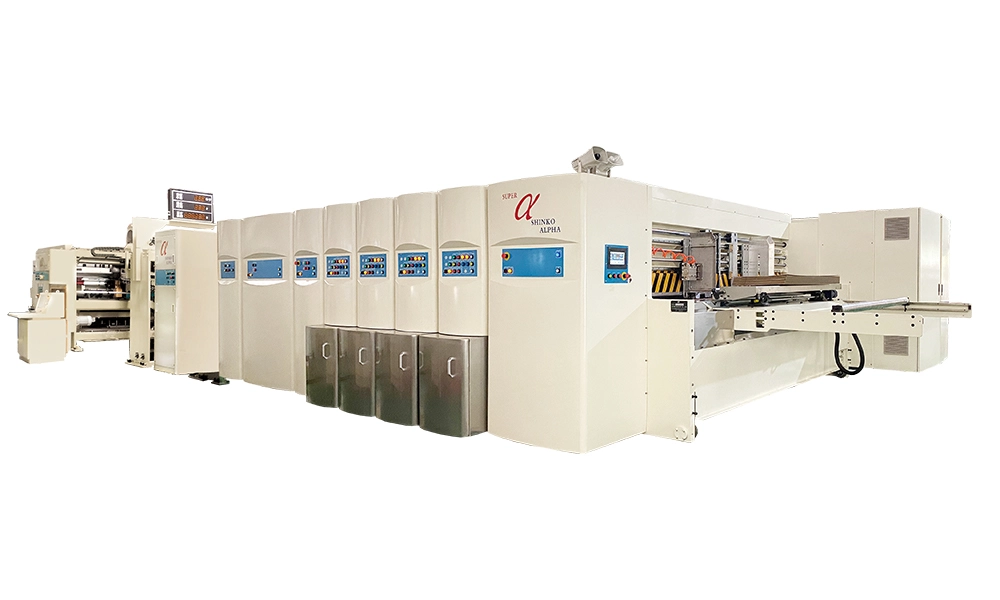
Shinko Super Alpha Movable Type Full Servo Drive Flexo Printing Slotting Die Cutting Inline Folding Gluing Counting Ejecting Machine
This state-of-the-art Movable Type Full Servo Drive Flexo Printing Slotting Die Cutting Machine streamlines your production with precision. Experience seamless operation with its Inline Folding Gluing Counting Ejecting capabilities, ensuring unparalleled efficiency. Designed for high-performance tasks, this Keshenglong&Shinko Super Alpha Movable Type Full Servo Drive Flexo Printing Slotting Die Cutting Inline Folding Gluing Counting Ejecting Machine enhances productivity while maintaining premium quality. Ideal for businesses seeking innovation and reliability, the Shinko Super Alpha is your go-to solution for advanced printing and cutting needs.
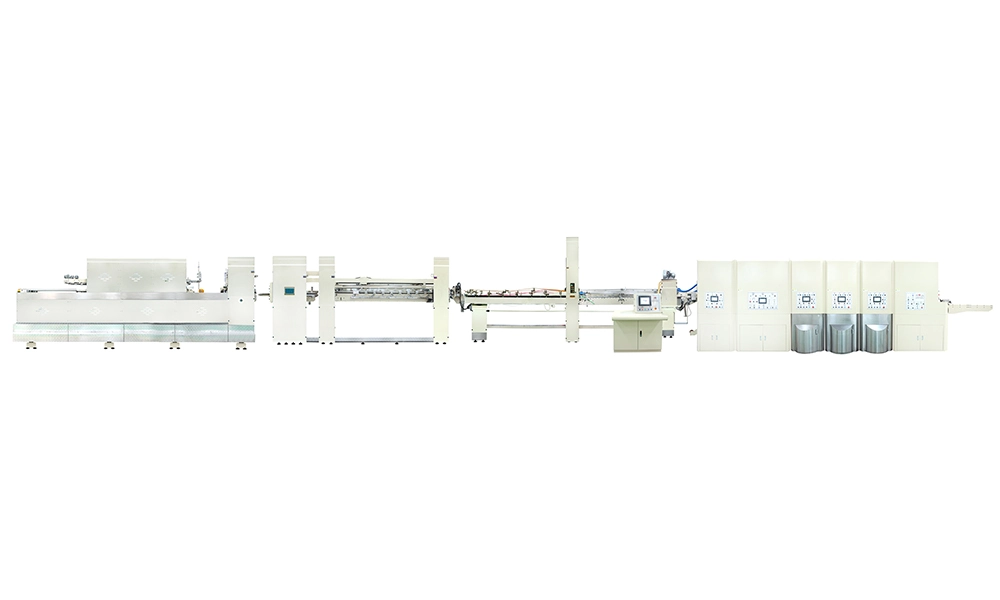
Computerized Flexo Printing Slotting Die-Cutting Inline Folding Gluing and Stitching Machine
Introducing the Keshenglong&Shinko Computerized Flexo Printing Slotting Die-Cutting Inline Folding Gluing and Stitching Machine, a pinnacle of precision and efficiency. This state-of-the-art machine revolutionizes packaging production with seamless integration of printing, slotting, die-cutting, folding, gluing, and stitching. Designed to optimize your workflow, the Computerized Flexo Printing Slotting Die-Cutting Machine enhances accuracy and productivity.
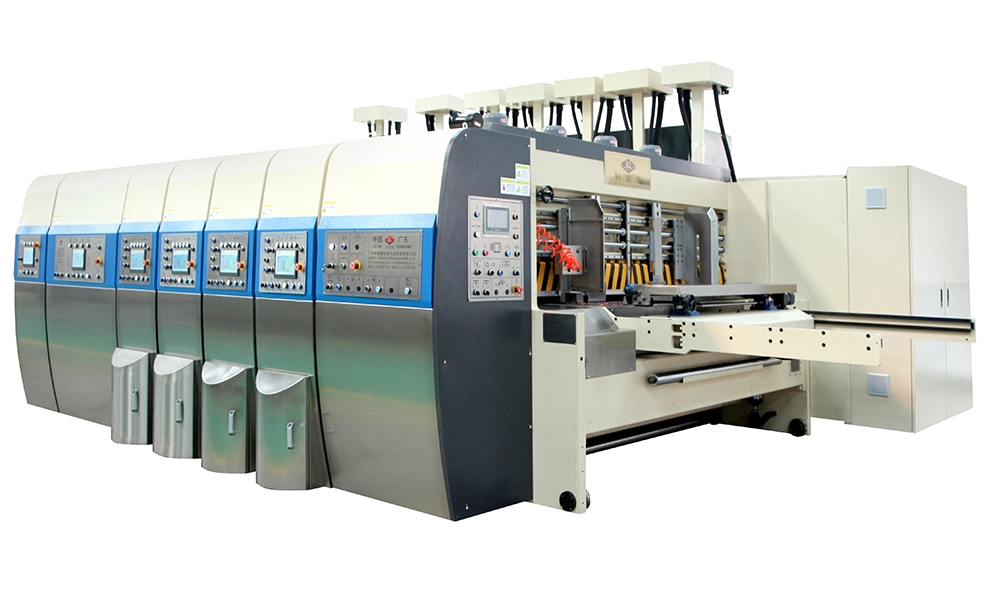
Computerized Flexo Top Bottom Printing Slotting Die-Cutting Machine
Introducing the Keshenglong&Shinko Computerized Flexo Top Bottom Printing Slotting Die-Cutting Machine, designed to enhance your packaging efficiency. Engineered for precision, this high-performance machine offers seamless integration of flexo printing and die-cutting processes. Perfect for a variety for packaging needs, it ensures superior quality and productivity. With user-friendly controls and robust construction, it guarantees reliable operation and minimal downtime. Optimize your production line with Keshenglong’s trusted technology. Explore advanced capabilities with our Flexo Top Bottom Printing Slotting Die-Cutting Machine today.
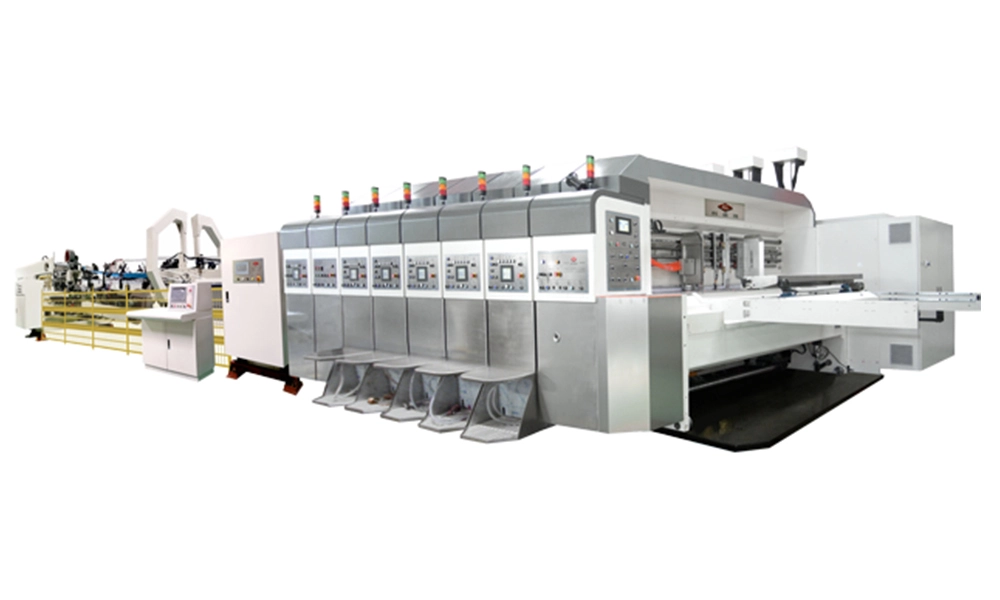
Computerized Flexo Printing Slotting Die-Cutting Inline Folding Gluing Countering Ejecting Machine Repeatable
Introducing the Keshenglong Computerized Flexo Printing Slotting Die-Cutting Inline Folding Gluing Countering Ejecting Machine. This advanced equipment delivers precision and efficiency for all your packaging needs. Perfectly designed for high-speed operations, it ensures seamless integration with your production line. Enhance productivity with our innovative technology that guarantees accurate printing, slotting, and die-cutting.


© 2025 Keshenglong & SHINKO All Rights Reserved.
Keshenglong Carton Packing Machine
Keshenglong Carton Packing Machine
Keshenglong Carton Packing Machine
Keshenglong Carton Packing Machine
Keshenglong Carton Packing Machine