
How to Choose the Right Flexo Press for Your Packaging Needs
- Understanding modern corrugated packaging requirements
- Substrate types and print expectations
- Run length, SKU mix and ROI
- Regulatory, brand and sustainability drivers
- Key technical factors when choosing a flexo press
- Press architecture: CI, inline, stack, narrow-web
- Anilox rolls, plates and ink systems
- Drying, curing and post-processing
- Operational and business considerations
- Total cost of ownership (TCO) vs purchase price
- Automation, Industry 4.0 and MIS integration
- Service, spare parts and operator training
- How to run a structured vendor selection and acceptance test
- Define objective acceptance criteria
- On-site trials and sample runs
- Contract terms: warranty, KPI guarantees, spare parts consignment
- Keshenglong & Shinko: solutions and competitive advantages
- Company profile and combined strengths
- Product lineup and where they fit
- Why choose Keshenglong & Shinko
- Practical checklist: steps to final decision
- 1. Map production requirements
- 2. Shortlist press architectures and suppliers
- 3. Run pilot trials and negotiate terms
- Frequently Asked Questions (FAQ)
- 1. What is the difference between CI and inline flexo presses?
- 2. How do I choose the right anilox for corrugated printing?
- 3. Are UV inks suitable for corrugated cartons?
- 4. What automation features provide the biggest productivity gains?
- 5. How important is after-sales service and spare parts locality?
- 6. What environmental considerations should I include?
- Contact, next steps and product information
Choosing the right flexo press is one of the most consequential investments a corrugated box or packaging manufacturer can make. A properly selected flexo press balances print quality, throughput, substrate compatibility, automation and total cost of ownership (TCO). This article breaks down the selection process into practical, verifiable decision points—substrate and run-length analysis, press architecture, critical components (anilox, plates, drying/UV systems), automation and maintenance—so you can match a press to your business goals and production reality.
Understanding modern corrugated packaging requirements
Substrate types and print expectations
Packaging substrates range from single-wall kraft to coated and test-liners; each affects ink transfer, dot gain and drying. Flexo printing for corrugated needs compatible plates and anilox rolls to handle paper porosity and surface roughness. For background on flexographic printing principles and suitability for packaging, see the Flexography overview on Wikipedia https://en.wikipedia.org/wiki/Flexography.
Run length, SKU mix and ROI
Short-run, high-SKU operations favor fast changeover, quick plate mounting and digital or hybrid plate workflows; long-run plants prioritize durability and maximum uptime. Estimate break-even by comparing press acquisition and operating costs against projected job volumes and the value of reduced make-ready times.
Regulatory, brand and sustainability drivers
Food-contact regulations, print safety, and sustainability (recyclability of printed cartons, water-based vs UV inks) influence press selection. Food packaging often drives certification and ink system choices. For industry guidance on best practices, consult the Flexographic Technical Association (FTA) resources https://www.flexography.org/.
Key technical factors when choosing a flexo press
Press architecture: CI, inline, stack, narrow-web
Press architecture determines print quality consistency, footprint and job flexibility. Common types include:
- Central Impression (CI): A rotating drum for consistent web support, often offers excellent registration and high quality on flexible films and labels.
- Inline (stacked or turret): Stations aligned along the web path; commonly used for corrugated carton printing with die-cutting integration.
- Stack/Stacked: Compact, modular, suited for specific color configurations and retrofits.
Compare typical applications, strengths and limitations in the table below.
| Press Type | Best for | Typical run & flexibility | Strengths | Limitations |
|---|---|---|---|---|
| Central Impression (CI) | High-quality labels/films; consistent registration | Medium–long runs | Excellent registration; stable web tension | Higher capital cost; larger footprint for some designs |
| Inline Flexo (including corrugated slotting integration) | Corrugated box printing with die-cutting/slotting | Short–long runs; high SKU mix if configured for fast changeover | Integrated finishing; modular color stations | Registration depends on web handling; requires good operator skills |
| Narrow-web/Flexo narrow | Small labels, sleeves | Short runs, high-mix | Lower cost; compact | Not suitable for corrugated board |
Anilox rolls, plates and ink systems
Anilox specification (cell volume, line screen) controls ink laydown and must match plate technology and desired tonal range. Learn more about anilox rolls and their role at the dedicated technical entry https://en.wikipedia.org/wiki/Anilox. Water-based, solvent, and UV-curable ink systems all have trade-offs: water-based is common for corrugated due to recyclability, UV offers instant cure and higher dot gain control but may affect recyclability and cost.
Drying, curing and post-processing
Drying capacity must match maximum press speed and ink type. Over- or under-sized dryers either waste energy or become production bottlenecks. Consider infrared, hot-air, or UV systems as part of upstream/downstream designs, and ensure finishing (slotting, die-cutting, stacking) synchronizes with print throughput to avoid production delays.
Operational and business considerations
Total cost of ownership (TCO) vs purchase price
TCO includes capital cost, consumables (plates, anilox maintenance), energy, operator labor, downtime, and spare parts. Ask vendors for modeled TCO scenarios using your job mix. Request references for uptime and consumable life from similar installations.
Automation, Industry 4.0 and MIS integration
Modern flexo presses increasingly include servo-driven register and web controls, automatic plate changers, and recipe-based job recall. Integration with MIS/ERP improves scheduling and reduces manual entry errors. Verify supported protocols and whether the press vendor provides API or standard connectors for your shop floor systems.
Service, spare parts and operator training
Local service footprint and parts availability often determine long-term productivity. When evaluating vendors ask for MTBF (mean time between failures) data or documented case studies. Insist on structured training programs and on-site commissioning as part of the purchase to shorten the ramp-up phase.
How to run a structured vendor selection and acceptance test
Define objective acceptance criteria
Create a scorecard prior to vendor demonstrations: color gamut (ΔE tolerances), registration accuracy, make-ready time, run speed, waste percentage, and ease of changeover. Use this scorecard for every demo to compare objectively.
On-site trials and sample runs
Bring representative substrates, inks and jobs for on-site trials. Evaluate print consistency across a full production length rather than short samples. Confirm drying and finishing integration under real-world conditions.
Contract terms: warranty, KPI guarantees, spare parts consignment
Negotiate service-level agreements (SLAs) for uptime and spare parts lead times. Consider spare parts consignment or extended warranty packages—these can reduce downtime risk and total cost.
Keshenglong & Shinko: solutions and competitive advantages
Company profile and combined strengths
Keshenglong, founded in 1995, specializes in manufacturing corrugated carton printing machines and integrated packaging solutions. Merged with Japan Shinko in 2017, the group retained Shinko as the R&D center and a production base, adding a Guangzhou, China production facility. Major components are imported from Japan, and machines are assembled, installed and tested under Japanese technical guidance—combining Chinese manufacturing scale with Japanese precision and process control. As a supplier of intelligent packaging solutions, their products have been exported to more than 70 countries. See the company site: https://www.shinkomachinery.com/.
Product lineup and where they fit
Their main products include flexo printer models and computerized high-speed flexo slotting die-cutting machines (1–6 color), computerized case makers, '6+1' high-precision printing-slotting-die-cutting machines, top & bottom printing slotting die-cutting machines, and jumbo-size flexo printing slotting die-cutting machines. This range targets corrugated box manufacturers needing integrated printing and finishing to reduce handling and improve registration.
| Product | Best for | Key advantage |
|---|---|---|
| Flexo printer (corrugated) | Direct corrugated carton printing | Optimized for board porosity and large formats |
| Flexo printing slotting die-cutting machine (1–6 color) | Integrated print + finishing lines | Reduces handling, improves registration and throughput |
| '6+1' Precision Printing Slotting Die-Cutting | High-precision multi-color jobs | High registration accuracy for High Quality packaging |
Why choose Keshenglong & Shinko
Key differentiators: long industry history since 1995; Japanese R&D and component sourcing via Shinko for stable quality; integrated solutions that combine flexo printing and die-cutting/slotting to reduce manual handling; global export experience to 70+ countries. For inquiries, contact: kl@keshenglong.com.cn.
Practical checklist: steps to final decision
1. Map production requirements
Document substrates, typical run lengths, expected monthly throughput, SKU mix, color requirements, and finishing needs.
2. Shortlist press architectures and suppliers
Use the scorecard to filter vendors. Prioritize vendors who can run your substrates and provide references in your market segment.
3. Run pilot trials and negotiate terms
Test with real materials, measure KPIs, and negotiate SLAs, spare parts plans and training. Include performance clauses around speed, waste and registration if possible.
Frequently Asked Questions (FAQ)
1. What is the difference between CI and inline flexo presses?
CI (Central Impression) uses a drum to support the web and can provide superior registration stability for flexible materials and labels. Inline presses have print stations arranged along a linear web path and are commonly used for corrugated carton printing where integration with slotting/die-cutting is required.
2. How do I choose the right anilox for corrugated printing?
Choose anilox cell volume and line screen based on desired ink coverage and substrate absorbency. Coarser cells (higher volume) are typically used for porous corrugated substrates to ensure solid ink laydown; finer cells for better tonal reproduction on smoother substrates. Consult anilox vendors and test on your board.
3. Are UV inks suitable for corrugated cartons?
UV inks cure instantly and can produce sharper prints, but they may affect recyclability and require specific curing equipment. Many corrugated producers prefer water-based inks for recyclability and compliance with food-contact requirements.
4. What automation features provide the biggest productivity gains?
Automatic register control, servo-driven web handling, plate-change systems, and recipe-based job recall deliver the largest direct reductions in make-ready time and waste. Integration with MIS also reduces administrative delays and job-change errors.
5. How important is after-sales service and spare parts locality?
Extremely important. Rapid access to parts and skilled technicians reduces downtime. When buying a press, verify local service capability, spare parts lead times, and options for remote diagnostics or onsite support.
6. What environmental considerations should I include?
Assess ink types (water-based vs UV), energy use (dryer efficiency), solvent emissions, and the effect of printing processes on recycling streams. Many brands and retailers now require documentation on sustainability practices.
Contact, next steps and product information
If you want hands-on evaluation, Keshenglong's portfolio covers corrugated carton flexo printing machines and integrated slotting die-cutting solutions tailored to a wide range of production scales. Key product categories: corrugated carton flexo printing machine, flexo printing slotting die-cutting machine, flexo printing slotting die-cutting and stacker machine, flexo printer, corrugated box printing machine. For technical details, commissioning support and global references, visit https://www.shinkomachinery.com/ or email kl@keshenglong.com.cn for direct consultation. The company's combined Keshenglong & Shinko advantage lies in Japanese-led R&D and component sourcing, Chinese manufacturing scale, and integrated intelligent packaging solutions exported to over 70 countries.
Ready to evaluate presses for your facility? Request a site trial, bring representative substrates and jobs, and use an objective scorecard to compare vendors. For product demos and configuration recommendations specific to corrugated production, contact Keshenglong at kl@keshenglong.com.cn or visit their website https://www.shinkomachinery.com/.
Why choose Keshenglong&Shinko flexo printing slotter folder gluer machine manufacturer
OEM/ODM flexo printing slotting die cutter with inline folder gluer Manufacturers and supplier
Top 10 flexo folder gluer machine Manufacturers and Supplier Brands
How Much is Digital Flex Printing Machine Price? - Keshenglong
Shipping
What is the estimated delivery time for your machines?
Delivery times vary based on location and order size, but we typically estimate 4-6 weeks for delivery.
Do you offer international shipping for your machines?
Yes, we offer international shipping and can handle all necessary customs documentation.
Industry Solutions
What is the lifespan of your folding carton machines?
With proper maintenance, our machines are built to last for many years, providing long-term value for your investment.
Product
What is the maximum speed of your folding carton machines?
Our machines can operate at speeds of up to 150 cartons per minute, depending on the model and carton complexity.
Do your machines support automated quality control checks?
Yes, our machines can be equipped with automated quality control systems to ensure consistent production quality.
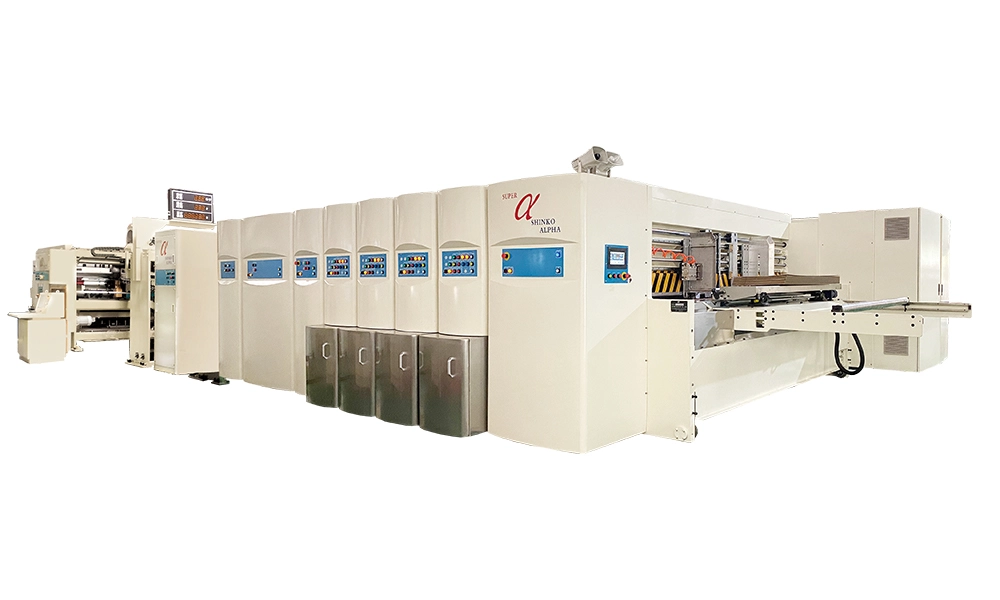
Shinko Super Alpha Movable Type Full Servo Drive Flexo Printing Slotting Die Cutting Inline Folding Gluing Counting Ejecting Machine
This state-of-the-art Movable Type Full Servo Drive Flexo Printing Slotting Die Cutting Machine streamlines your production with precision. Experience seamless operation with its Inline Folding Gluing Counting Ejecting capabilities, ensuring unparalleled efficiency. Designed for high-performance tasks, this Keshenglong&Shinko Super Alpha Movable Type Full Servo Drive Flexo Printing Slotting Die Cutting Inline Folding Gluing Counting Ejecting Machine enhances productivity while maintaining premium quality. Ideal for businesses seeking innovation and reliability, the Shinko Super Alpha is your go-to solution for advanced printing and cutting needs.
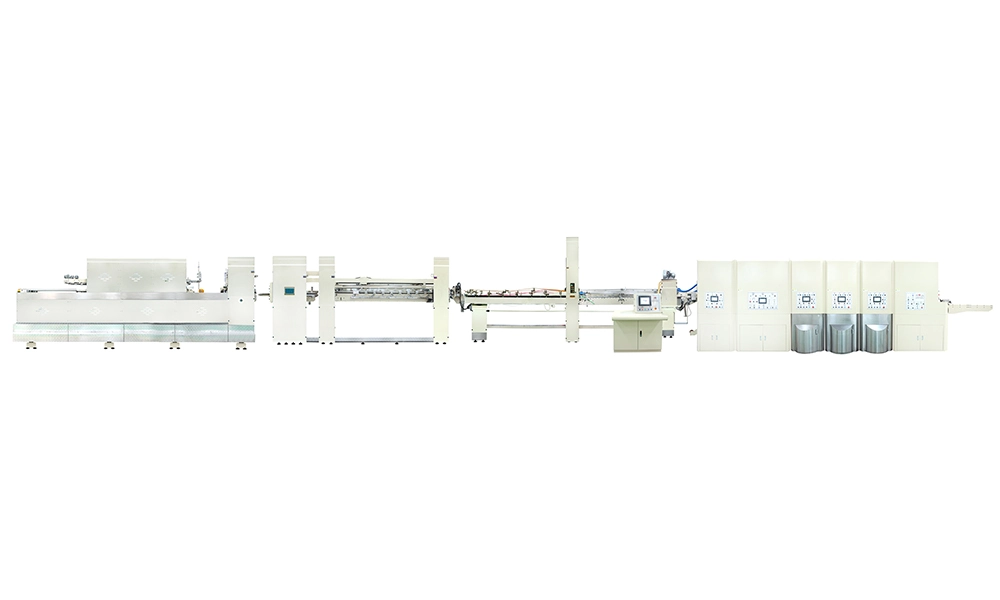
Computerized Flexo Printing Slotting Die-Cutting Inline Folding Gluing and Stitching Machine
Introducing the Keshenglong&Shinko Computerized Flexo Printing Slotting Die-Cutting Inline Folding Gluing and Stitching Machine, a pinnacle of precision and efficiency. This state-of-the-art machine revolutionizes packaging production with seamless integration of printing, slotting, die-cutting, folding, gluing, and stitching. Designed to optimize your workflow, the Computerized Flexo Printing Slotting Die-Cutting Machine enhances accuracy and productivity.
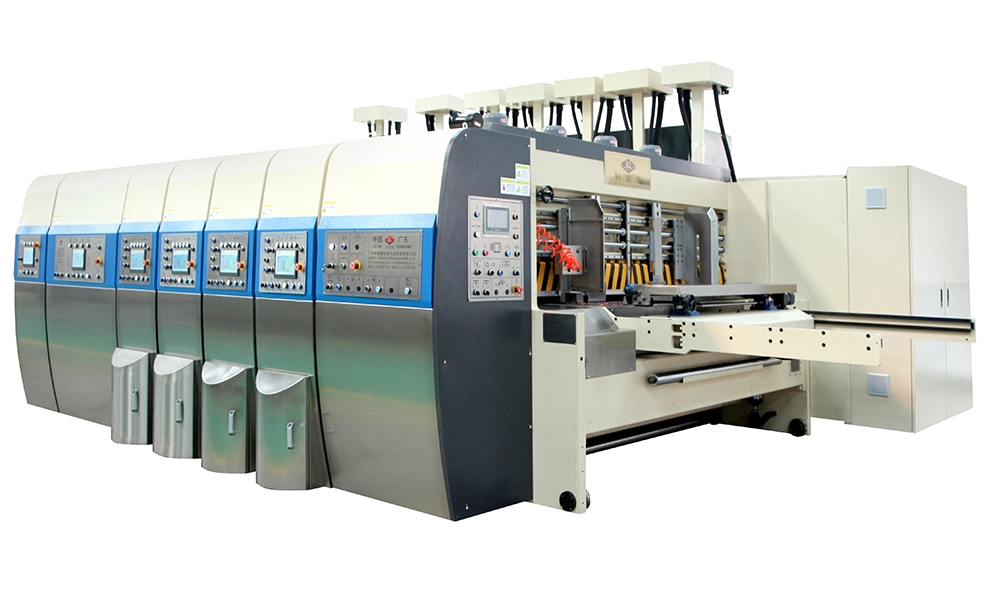
Computerized Flexo Top Bottom Printing Slotting Die-Cutting Machine
Introducing the Keshenglong&Shinko Computerized Flexo Top Bottom Printing Slotting Die-Cutting Machine, designed to enhance your packaging efficiency. Engineered for precision, this high-performance machine offers seamless integration of flexo printing and die-cutting processes. Perfect for a variety for packaging needs, it ensures superior quality and productivity. With user-friendly controls and robust construction, it guarantees reliable operation and minimal downtime. Optimize your production line with Keshenglong’s trusted technology. Explore advanced capabilities with our Flexo Top Bottom Printing Slotting Die-Cutting Machine today.
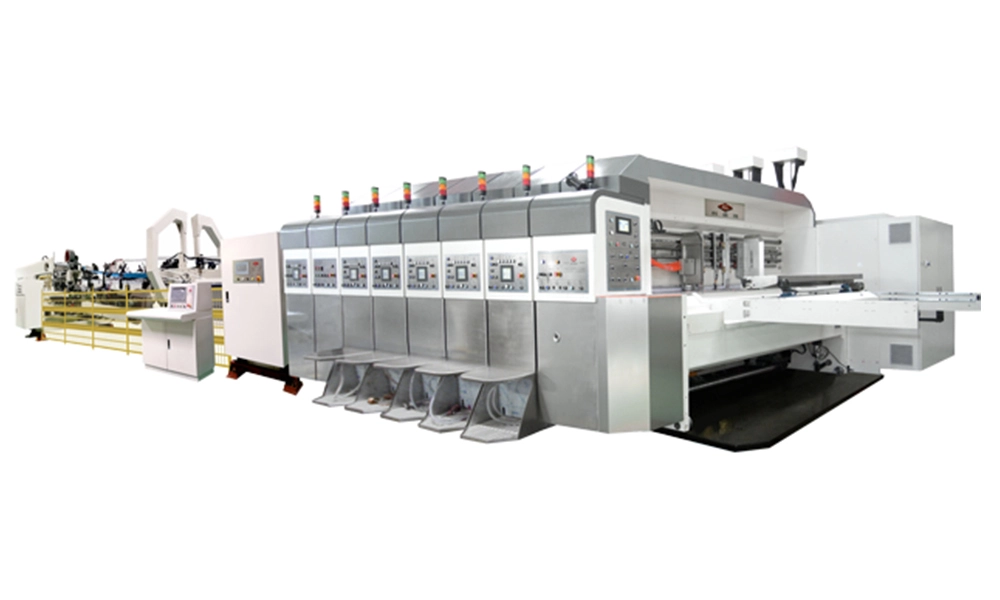
Computerized Flexo Printing Slotting Die-Cutting Inline Folding Gluing Countering Ejecting Machine Repeatable
Introducing the Keshenglong Computerized Flexo Printing Slotting Die-Cutting Inline Folding Gluing Countering Ejecting Machine. This advanced equipment delivers precision and efficiency for all your packaging needs. Perfectly designed for high-speed operations, it ensures seamless integration with your production line. Enhance productivity with our innovative technology that guarantees accurate printing, slotting, and die-cutting.


© 2025 Keshenglong & SHINKO All Rights Reserved.
Keshenglong Carton Packing Machine
Keshenglong Carton Packing Machine
Keshenglong Carton Packing Machine
Keshenglong Carton Packing Machine
Keshenglong Carton Packing Machine