
Case study: reducing waste with a printing machine flexo in corrugated printing
- Understanding the main waste drivers in corrugated printing
- Types of waste and why they matter
- Root causes tied to the printing machine flexo
- Relevant standards and environmental context
- Technical levers: optimizing the printing machine flexo to cut waste
- Prepress and plate strategy
- Anilox, ink and transfer control
- Automation and closed-loop color
- Case study: implementation and measured results
- Project background and objectives
- Interventions implemented
- Measured outcomes (before vs after)
- How improvements were verified
- Operational and capital considerations when selecting a printing machine flexo
- What to prioritize on the equipment spec
- ROI examples and payback drivers
- Training, SOPs and continuous improvement
- Keshenglong & Shinko: a partner for corrugated flexo solutions
- Who they are and what they offer
- Competitive strengths and differentiation
- How Keshenglong systems fit the case study lessons
- Practical checklist to reduce waste with your printing machine flexo
- Quick implementation checklist
- When to consider equipment upgrades
- FAQ
- 1. How much waste reduction can I realistically expect from upgrading my flexo press?
- 2. Are water-based inks better for waste reduction than solvent or UV in flexo?
- 3. Will closed-loop color control work on older flexo presses?
- 4. How do I measure make-ready waste accurately?
- 5. What is the role of the slotter in overall waste?
- 6. How do I choose between different flexo press manufacturers?
- Contact and next steps
I have spent decades advising corrugated carton printers on process control, equipment selection and waste reduction. In this case study I explain how targeted interventions around the printing machine flexo — combining equipment capability, ink and substrate control, automated color management and operator training — delivered measurable reductions in make-ready waste, ink consumption and production downtime. The lessons are practical, reproducible and aligned with industry standards and environmental drivers.
Understanding the main waste drivers in corrugated printing
Types of waste and why they matter
In corrugated printing there are three primary waste streams I monitor: 1) make-ready and setup waste (sheets lost while getting color and register right), 2) spoilage during runs (registration drift or press defects), and 3) material loss due to die-cutting/stacking mismatch. Make-ready waste is typically the largest visible cost for flexo runs because corrugated substrates and waves of trial prints are expensive in high-speed operations.
Root causes tied to the printing machine flexo
Many root causes are tied directly to the flexo printer: inadequate prepress file preparation, mechanical repeatability limits (web tracking or plate mounting), inconsistent anilox transfer or doctor blade settings, lack of closed-loop color control and poor coordination between the flexo press and downstream slotting die-cutting machines. Addressing the machine and process together is essential; equipment capability alone will not eliminate waste without process control and trained operators.
Relevant standards and environmental context
Flexographic printing for corrugated board is a mature technology; see an overview on flexography at Wikipedia: Flexography. Corrugated fiberboard recycling and resource considerations are discussed at Wikipedia: Corrugated fiberboard, underlining the industry's role in sustainable packaging. Quality management systems such as ISO 9001 provide frameworks for process control that support waste reduction.
Technical levers: optimizing the printing machine flexo to cut waste
Prepress and plate strategy
Precise prepress (screen rulings, trapping and tonal curves) reduces surprises on press. Moving to high-resolution plate imaging and consistent plate mounting reduces variability. In practice I standardize plate thickness and use registration marks and jigs to make plate changes repeatable on the flexo printer.
Anilox, ink and transfer control
Anilox selection and maintenance are critical. I audit anilox line screens, ensure correct cell depth for the ink system (water-based or UV), and stabilize doctor blade geometry. Switching to optimized anilox/ink pairings reduced over-inking and drying defects in my implementations.
Automation and closed-loop color
Closed-loop color control systems and in-line spectrophotometers significantly shorten make-ready. Automated register and web-guidance systems maintain position, cutting spoilage. Industry suppliers provide color management solutions that, when integrated with a modern printing machine flexo, allow predictable first-press accuracy and fewer trial sheets.
Case study: implementation and measured results
Project background and objectives
I worked with a mid-sized corrugated converter producing FEFCO-style boxes (industry standard reference: FEFCO). The plant ran a 3-color flexo press (printing machine flexo) feeding a slotting die-cutting line. Key objectives were: reduce make-ready waste, cut ink consumption, and improve throughput without major capital expansion.
Interventions implemented
We implemented a package of measures over three months:
- Prepress standardization: unified plate-making parameters and proofing steps.
- Anilox and ink optimization: corrected line screens and shifted to a lower-viscosity water-based ink for faster transfer and drying.
- Added closed-loop color control and inline densitometer for the flexo printer.
- Web-guidance and register improvements: upgraded rollers and servo controls for stable tracking into the slotter.
- Operator training and new SOPs (make-ready checklists, 5S at makeready area).
Measured outcomes (before vs after)
The plant tracked key performance indicators over six months. The results below reflect measured values during typical production mixes.
| Indicator | Before | After | Change |
|---|---|---|---|
| Make-ready waste (% of total sheets) | 7.8% | 1.9% | -5.9 pp (≈76% reduction) |
| Ink consumption (kg/month) | 4,200 kg | 3,276 kg | -22% |
| Average make-ready time per job | 45 minutes | 16 minutes | -65% |
| Throughput (sheets/hour) | 18,000 | 21,240 | +18% |
These improvements led to direct cost savings (substrate and ink) and indirect savings (less downtime, fewer reworks). The reduction in make-ready waste alone recouped the cost of automation upgrades within 9–12 months by my calculation for that plant.
How improvements were verified
Verification used inline production logs, spectrophotometer color passes, ink usage receipts from the storeroom and mass-balance checks on waste. For environmental context, reducing ink and substrate waste also lowers VOC and disposal loads; agencies like the U.S. EPA provide guidance on VOCs and industrial emissions that aligns with the benefits of fewer press trials.
Operational and capital considerations when selecting a printing machine flexo
What to prioritize on the equipment spec
When I advise buying a flexo printer for corrugated board I prioritize: 1) robust register control and plate repeatability, 2) compatibility with automated color systems, 3) anilox and ink system flexibility, 4) modular integration with slotter/stacker lines, and 5) serviceability and spare-parts availability. These features materially affect waste and uptime.
ROI examples and payback drivers
Payback is driven by substrate savings (highest unit value), labor reductions at changeover, and increased usable throughput. In the case study above, the combination of automation + process improvements produced sub-12-month ROI. For many installations, even partial upgrades (e.g., closed-loop color alone) can yield paybacks in 12–24 months depending on run length and product mix.
Training, SOPs and continuous improvement
Equipment alone is not the solution. I implement operator training, standardized changeover protocols and daily KPI reviews to maintain gains. Continuous improvement cycles (plan-do-check-act) help lock in reductions and identify incremental upgrades like energy-efficient dryers or waterless plates that further cut consumption.
Keshenglong & Shinko: a partner for corrugated flexo solutions
Who they are and what they offer
Keshenglong, founded in 1995, specializes in manufacturing corrugated carton printing machines and integrated packaging lines. Their main products include flexo printer systems, computerized high-speed flexo slotting die-cutting machines (1–6 color), computerized high-speed flexo case makers, 6+1 high-precision printing slotting die-cutting machines, top & bottom printing slotting die-cutting machines and jumbo-size flexo printing slotting die-cutting machines. Merged with Japan Shinko in 2017, Shinko remains their R&D center and production base, with key parts imported from Japan and on-site installation guided by experienced Japanese technicians. Keshenglong has exported equipment to more than 70 countries. More details are available at their website: https://www.shinkomachinery.com/ and via direct contact: kl@keshenglong.com.cn.
Competitive strengths and differentiation
From my assessment, Keshenglong & Shinko combine several competitive advantages relevant to waste reduction:
- Engineering integration: flexo presses designed to work directly with high-speed slotters/stackers reduce mismatch losses between press and finishing stages.
- Japanese R&D influence: imported parts and Japanese technical instruction support repeatability and precision necessary to minimize make-ready waste.
- Range and modularity: options from 1-6 colors, 6+1 precision configurations and jumbo formats allow selection matched to product mix — fewer compromises reduce setup iterations.
- Global service footprint: export experience to 70+ countries means documented installation and commissioning processes, which I value for rapid performance ramp-up.
How Keshenglong systems fit the case study lessons
The features I deployed in the case study — closed-loop color, robust register controls and modular integration between press and slotter — are present in Keshenglong/Shinko product lines. Choosing equipment with those capabilities, plus rigorous commissioning and operator training, is crucial to achieving the waste reductions demonstrated above.
Practical checklist to reduce waste with your printing machine flexo
Quick implementation checklist
- Audit current make-ready waste and ink use for baseline.
- Standardize prepress: plates, proofs and file checks.
- Optimize anilox selection and maintain blades and rollers regularly.
- Install closed-loop color or inline densitometry where feasible.
- Improve web-guidance and registration, especially into the slotter.
- Train operators and document SOPs for changeovers.
- Measure KPIs and run continuous improvement cycles.
When to consider equipment upgrades
If make-ready waste remains above ~4–5% for typical runs, or if your product mix requires frequent short runs, investing in automation and higher-precision flexo presses (and matched slotters) often produces a strong ROI. Align the spec to your run lengths, board grades and color complexity.
FAQ
1. How much waste reduction can I realistically expect from upgrading my flexo press?
It depends on your starting point. In my experience, plants with poor prepress and basic presses can reduce make-ready waste by 50–80% through combined upgrades in prepress, anilox/ink control and automation. Smaller improvements (20–40%) are common with focused interventions like closed-loop color only.
2. Are water-based inks better for waste reduction than solvent or UV in flexo?
Water-based inks can improve transfer and reduce over-inking in many corrugated applications, and they lower VOC concerns compared to solvent systems. UV inks offer instant cure but require compatible substrates and may add cost. Your choice should match drying capability, substrate and regulatory environment (see EPA guidance on industrial emissions: EPA).
3. Will closed-loop color control work on older flexo presses?
Often yes — many closed-loop color systems can be retrofitted to older presses, provided there is mechanical repeatability and access for sensors. The reduction in trial prints and faster make-ready usually makes retrofit attractive.
4. How do I measure make-ready waste accurately?
Track sheets from job start to first acceptable print: count sheets used during setup that are not shipped. Keep digital logs tied to job IDs, and reconcile material withdrawals in the ERP to production output. Consistent measurement is key to demonstrating improvements.
5. What is the role of the slotter in overall waste?
Misregistration or stack issues at the slotter/stacker cause rework and scrap. Integrated control and matched speeds between flexo press and slotter — such as the systems Keshenglong offers — reduce handoffs and the chance for mismatch-related waste.
6. How do I choose between different flexo press manufacturers?
Prioritize machine repeatability, service support, integration with finishing equipment, and the supplier's commissioning/training offering. Confirm that spare parts and remote service are available in your region.
Contact and next steps
If you want to replicate these results, I recommend starting with a baseline KPI audit and a trial upgrade (closed-loop color or anilox optimization). For equipment, Keshenglong & Shinko offer a full product range tailored to corrugated flexo printing and slotting die-cutting — their product pages and contact information are available at https://www.shinkomachinery.com/. For direct inquiries: kl@keshenglong.com.cn.
I welcome requests to review your production data and recommend a tailored waste-reduction plan for your printing machine flexo and finishing lines.
How to Choose the flexo printer manufacturer and supplier in us?
How to Choose Right flexo printing folder gluer machine manufacturer and supplier ?
Top 10 automatic carton packing machine Manufacturers and Supplier Brands
Tips for Wholesale china 4 color flexo printing slotting die cutting
Product
What should I do if the machine jams during operation?
In case of a jam, immediately stop the machine, remove any obstructions, and check for any damage before restarting.
Do your machines support automated quality control checks?
Yes, our machines can be equipped with automated quality control systems to ensure consistent production quality.
What maintenance is required for optimal machine performance?
Regular lubrication, cleaning of the folding units, and checking for worn parts are essential for maintaining optimal performance.
Shipping
Do you offer international shipping for your machines?
Yes, we offer international shipping and can handle all necessary customs documentation.
Industry Solutions
Do you offer solutions for environmentally friendly packaging?
Yes, our machines can produce cartons from recyclable and biodegradable materials, supporting sustainable packaging solutions.
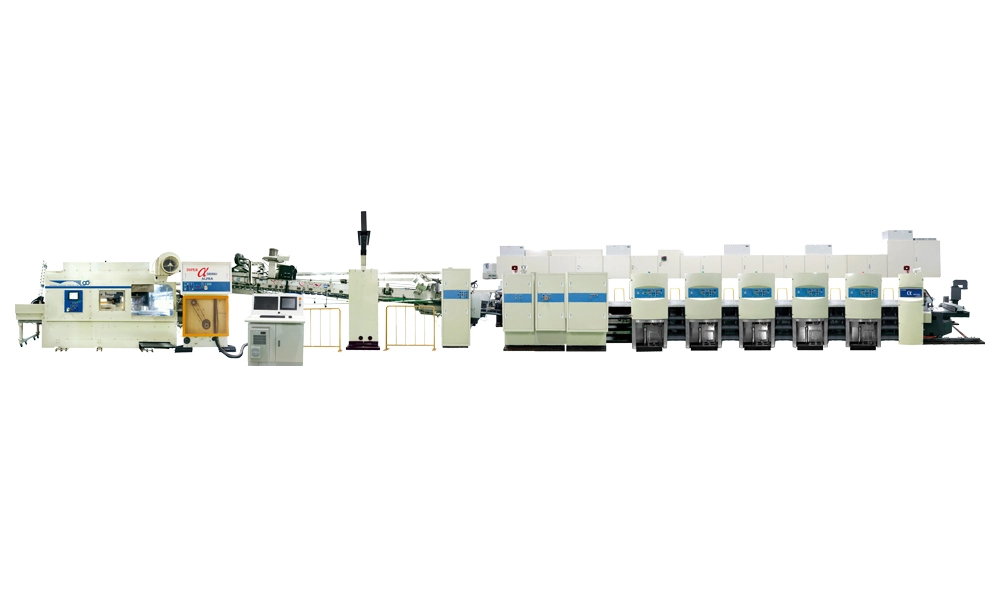
High-grade Full Automatic Flexo Printing Slotting Die Cutting Inline Folding Gluing and Countering Ejectoring Machine
Discover the Keshenglong&Shinko High-grade Full Automatic Flexo Printing Slotting Die Cutting Inline Folding Gluing and Countering Ejectoring Machine, the epitome of precision and efficiency. Ideal for modern packaging needs, this advanced machine streamlines operations by seamlessly integrating printing, slotting, die-cutting, folding, gluing, and ejecting processes. Elevate your production line with Keshenglong's innovative solution, designed to enhance productivity and deliver exceptional results.
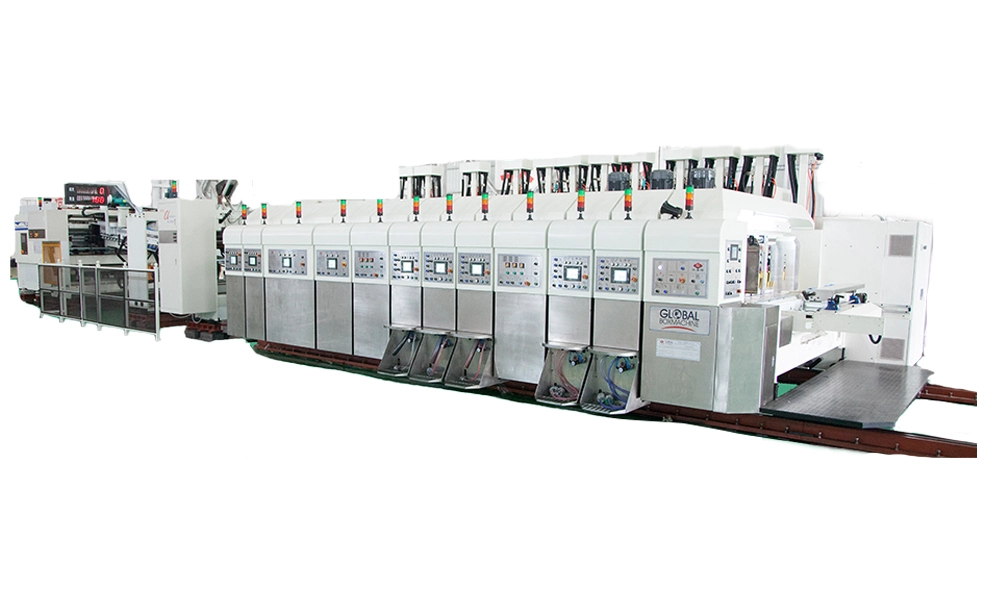
Computerized Flexo Printing Slotting Die-Cutting Inline Folding Gluing Countering Ejecting Machine
Introducing the Keshenglong&Shinko Computerized Flexo Printing Slotting Die-Cutting Inline Folding Gluing Countering Ejecting Machine. Engineered for precision, this advanced machine streamlines your packaging production with integrated Flexo Printing Slotting Die-Cutting functionalities. Seamlessly perform inline folding, gluing, countering, and ejecting—all in one efficient system. Designed for optimal performance, it enhances productivity while reducing downtime.
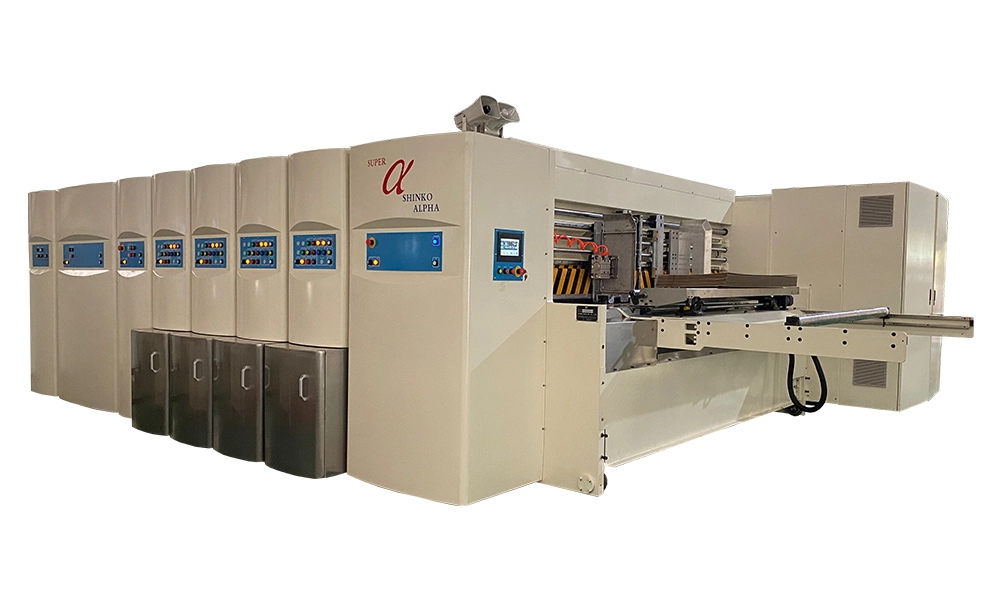
Shinko Super Alpha Movable Type Full Servo Drive Flexo Printing Slotting Die Cutting Machine
Introducing the Shinko Super Alpha Movable Type Full Servo Drive Flexo Printing Slotting Die Cutting Machine by Keshenglong. Engineered for precision and efficiency, this state-of-the-art machine enhances your production line with its advanced servo drive technology. Designed for seamless Flexo printing, slotting, and die-cutting, it ensures superior quality with every output.
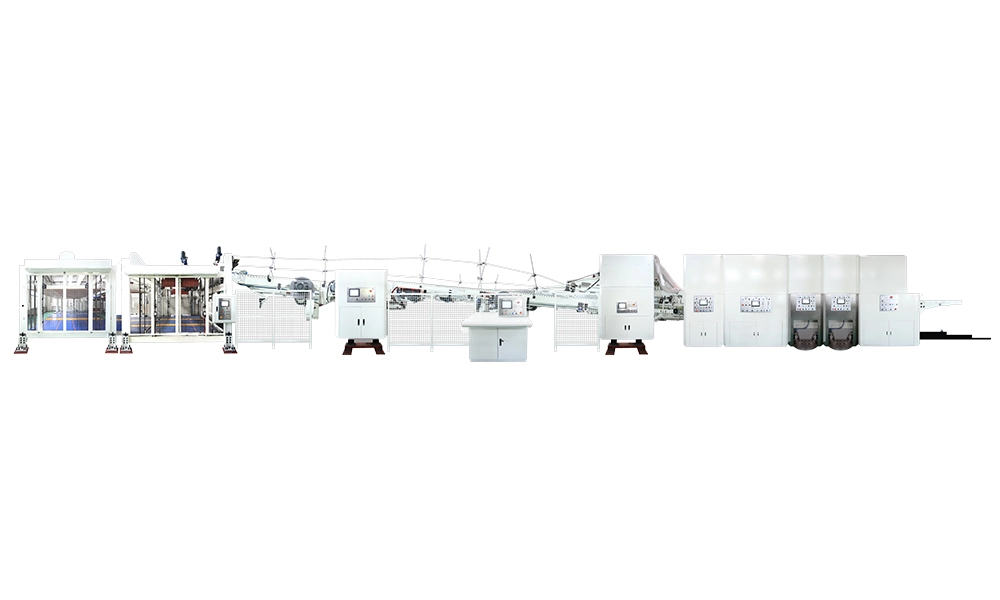
Jumbo Flexo Bottom Printing Slotting Die-Cutting Inline Folding Gluing Countering Ejecting Machine
Introducing the Keshenglong&Shinko Jumbo Flexo Bottom Printing Slotting Die-Cutting Inline Folding Gluing Countering Ejecting Machine. This advanced flexo printing slotting die-cutting machine ensures precision and efficiency for your packaging needs. Designed as a versatile flexo folder gluer machine, it optimizes every step from printing to ejecting, delivering seamless integration and superior quality.


© 2025 Keshenglong & SHINKO All Rights Reserved.
Keshenglong Carton Packing Machine
Keshenglong Carton Packing Machine
Keshenglong Carton Packing Machine
Keshenglong Carton Packing Machine
Keshenglong Carton Packing Machine