
Flexo Printing Machines: The Complete Guide to Types, Process, and Top Manufacturers (2026)
Choosing the right flexo printing machine requires balancing technical needs—such as web width and registration accuracy—with production goals like speed and sustainability. Whether you require the stability of a Central Impression (CI) press for flexible films or the robust output of a Keshenglong printer for corrugated boxes, understanding these core technologies is the first step toward optimizing your packaging line. As the industry moves toward eco-friendly practices, selecting a manufacturer that integrates advanced automation with green technology will secure your competitive edge.
- What is Flexographic Printing? Understanding the Core Process
- The Anatomy of the Process: Anilox and Doctor Blades
- Flexo vs. Offset vs. Digital: A Comparison
- Types of Flexo Printing Machines: CI vs. Stack vs. Inline
- Central Impression (CI) Presses
- Stack Type Machines
- Inline Flexo Presses
- Critical Technical Specifications for Buyers
- Wide Web vs. Narrow Web
- Ink Systems: The Fluid Dynamics
- Drying and Curing Systems
- Top 5 Flexo Printing Machine Manufacturers Reviewed
- 1. Bobst (Switzerland)
- 2. Mark Andy (USA)
- 3. Keshenglong & Shinko (China/Japan)
- 4. Koenig & Bauer (Germany)
- 5. Comexi (Spain)
- Sustainability in Flexo: The Future of Green Packaging
- Reducing VOCs with Water-Based Technologies
- Energy Efficiency and Drive Technology
- Substrate Compatibility
- Conclusion
- FAQs
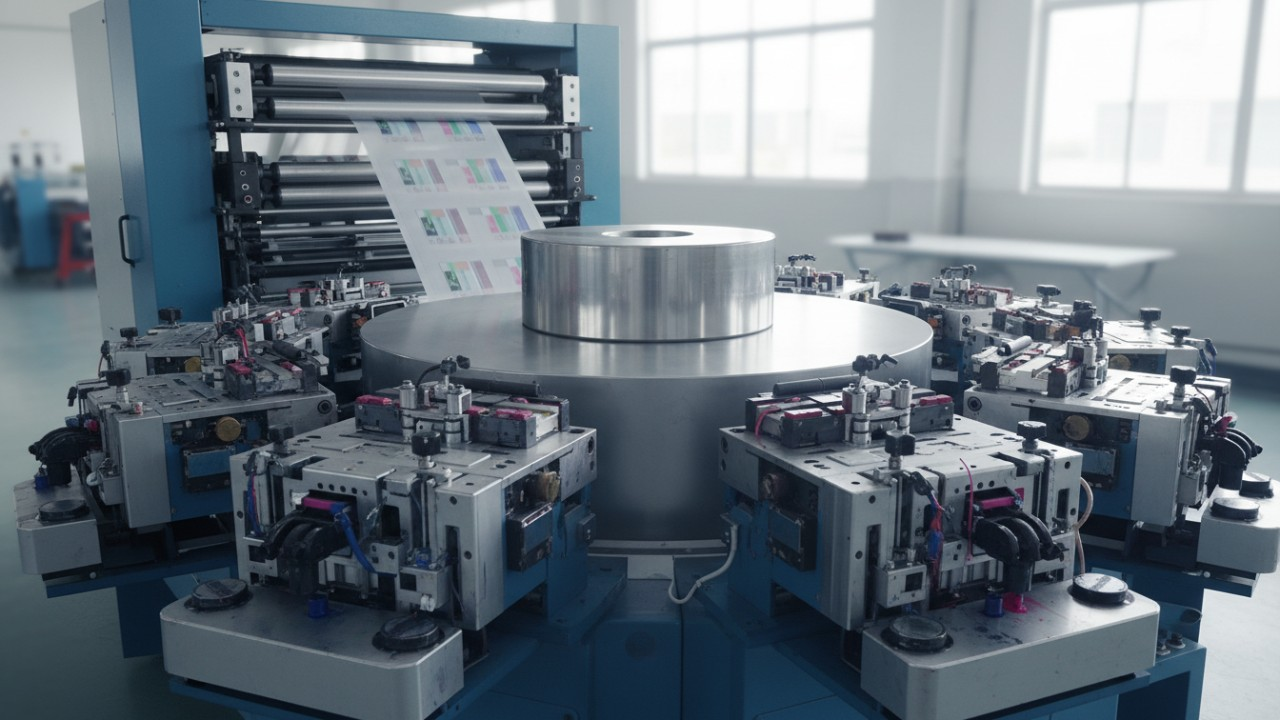
In the rapidly evolving world of industrial printing, flexography remains the dominant force powering the global packaging industry. As we move through 2026, the demand for high-speed, versatile, and eco-friendly printing solutions has never been higher. From flexible food wrappers to heavy-duty shipping boxes, flexo printing machines are the backbone of modern manufacturing.
This comprehensive guide delves deep into the mechanics, variations, and market leaders of flexography. Whether you are a production manager seeking to upgrade your facility or a procurement officer analyzing the latest machinery, understanding the nuances of the flexographic printing process, anilox roller technology, and the capabilities of a central impression flexo press is essential for making informed decisions.
What is Flexographic Printing? Understanding the Core Process
At its heart, flexography is a form of rotary relief printing. It is often described as a sophisticated version of a rubber stamp, but capable of running at incredibly high speeds with micron-level precision. Unlike offset printing which uses flat plates, or gravure which uses engraved cylinders, flexography utilizes flexible photopolymer plates wrapped around rotating cylinders.
The modern flexographic printing process has evolved significantly from the early days of "aniline printing." Today, it is the industry standard for printing on non-porous substrates like plastic films, metallic foils, and cellophane, as well as porous materials like paper and corrugated board.
The Anatomy of the Process: Anilox and Doctor Blades
The quality of a flexo print is largely determined by the ink metering system. This is where anilox roller technology becomes critical.
1. The Ink Fountain: The process begins with ink located in a reservoir or fountain.
2. The Anilox Roller: This is a hard cylinder, usually ceramic-coated, laser-engraved with millions of microscopic cells. The volume of these cells (measured in BCM - Billion Cubic Microns) determines exactly how much ink is carried to the printing plate.
3. The Doctor Blade: To ensure precision, a doctor blade scrapes excess ink off the surface of the anilox roller, leaving ink only inside the microscopic cells. This ensures a consistent ink film thickness, which is vital for color consistency and high-resolution imagery.
4. Plate Cylinder: The inked anilox roller transfers the image to the flexible photopolymer plate mounted on the plate cylinder.
5. Impression Cylinder: Finally, the substrate passes between the plate cylinder and the impression cylinder, which applies the necessary pressure to transfer the ink from the plate to the material.
Flexo vs. Offset vs. Digital: A Comparison
Understanding where flexo fits in the broader printing ecosystem is crucial for buyers:
· Flexography: The king of versatility. It handles the widest range of substrates and is the most cost-effective for medium to long runs. It is the only viable option for continuous pattern printing on flexible rolls (web) at high speeds.
· Offset Lithography: Traditionally offers higher quality for paper-based publications (magazines, books) but struggles with non-porous plastics and cannot match flexo's speed in packaging conversion.
· Digital Printing: Ideal for ultra-short runs and variable data. While quality is high and setup is fast, digital remains too slow and expensive for high-volume industrial packaging runs compared to a high-speed flexo press.
Types of Flexo Printing Machines: CI vs. Stack vs. Inline
Not all flexo presses are built the same. The architecture of the machine dictates its application, registration accuracy, and speed. The three primary configurations are Central Impression (CI), Stack, and Inline.
Central Impression (CI) Presses
The central impression flexo press is widely regarded as the gold standard for high-end flexible packaging.
· Design: In a CI press, all print stations (colors) are arranged around a single, massive steel impression cylinder (the central drum). The substrate is locked against this drum as it rotates past the different color stations.
· Key Advantage: Because the material does not stretch or shift between colors, CI presses offer superior registration accuracy.
· Best Application: Printing on thin, stretchable materials like Low-Density Polyethylene (LDPE), breathable films for hygiene products, and shrink sleeves. If you are printing food packaging that requires tight registration on flexible film, a CI press is non-negotiable.
Stack Type Machines
Stack presses feature independent printing stations stacked vertically, one above the other.
· Design: Each station has its own impression cylinder. There is no central drum.
· Key Advantage: Versatility. Stack presses can be configured to print on both sides of the web in a single pass (e.g., 4 colors on the front, 4 on the back). They are also generally more accessible for maintenance and plate changes.
· Best Application: Heavy-duty substrates that do not stretch easily, such as large woven sacks, heavy craft paper, and certain types of corrugated linerboard. However, they generally hold lower registration tolerances compared to CI presses on thin films.
Inline Flexo Presses
Inline presses consist of printing units arranged horizontally in a straight line.
· Design: Like the stack press, each unit has its own impression cylinder. Between units, there is often space for drying or curing systems.
· Key Advantage: Modularity and integrated finishing. Inline presses can easily integrate rotary die-cutting, lamination, cold foil stamping, and screen printing units all in one pass.
· Best Application: The dominant choice for the label industry (pressure-sensitive labels) and folding cartons. If the end product needs to be cut, creased, or foiled immediately after printing, an inline press is the most efficient solution.
Critical Technical Specifications for Buyers
When selecting a machine in 2026, buyers must look beyond the basic geometry and consider technical specifications that impact Total Cost of Ownership (TCO) and Operational Equipment Effectiveness (OEE).
Wide Web vs. Narrow Web
The width of the substrate determines the machine class:
· Narrow Web (under 20 inches/500mm): Primarily used for labels, tags, and small cartons. These machines focus on quick changeovers and high-value finishing.
· Wide Web (over 40 inches/1000mm): Used for flexible packaging, sacks, and pre-print linerboard for corrugated boxes. These are workhorses designed for speed (up to 600m/min or more) and massive volume.
Ink Systems: The Fluid Dynamics
The choice of ink system dictates the drying technology and environmental compliance:
· Water-based Inks: The standard for paper and corrugated packaging printing. They are eco-friendly and low-odor, making them ideal for food shipping boxes.
· Solvent-based Inks: Traditionally used for plastic films due to good adhesion and fast drying. However, they require expensive solvent recovery systems to manage VOC emissions.
· UV/LED-UV Curable Inks: These inks stay liquid until exposed to UV light, where they cure instantly. They offer the highest print quality and consistency but are more expensive. They are dominant in the label market.
Drying and Curing Systems
An often-overlooked spec is the drying capacity.
· Hot Air impingement: Essential for water and solvent inks. High-efficiency nozzles are required to dry ink at high speeds without distorting the substrate.
· IR/UV Curing: Required for UV inks. In 2026, LED-UV is preferred over standard UV lamps due to lower energy consumption and less heat generation, which allows for printing on thinner, heat-sensitive films.
Top 5 Flexo Printing Machine Manufacturers Reviewed
The global market is segmented by application. While European manufacturers have historically dominated the high-end CI market, Asian manufacturers have surged in quality, particularly in the corrugated sector through strategic joint ventures.
1. Bobst (Switzerland)
Bobst remains a titan in the industry, particularly for wide-web CI presses used in flexible packaging. Their "Master" and "Expert" series are renowned for automation, including automatic face-to-face winders and smart GPS registration systems that reduce waste during setup.
2. Mark Andy (USA)
The undisputed leader in narrow-web inline presses for the label industry. Their Evolution and Performance Series integrate digital hybrid modules, allowing converters to combine flexo efficiency with digital variability.
3. Keshenglong & Shinko (China/Japan)
For corrugated packaging printing, this partnership represents a significant market force. Keshenglong (KSL), based in China, utilizes technology and engineering standards from Shinko (Japan).
· Spotlight: Their high-speed flexo folder gluers and printer slotters are designed for heavy-duty box production. They excel in "Fixed-frame" architecture which provides high stability at speeds exceeding 300 sheets per minute.
· Integration: They combine Japanese precision in anilox roller technology handling with Chinese manufacturing scale, offering a compelling price-to-performance ratio for corrugated box plants.
4. Koenig & Bauer (Germany)
A heavy hitter in the high-quality pre-print linerboard market. Their machines are built for massive throughput and extreme durability. They are often the choice for multinational packaging groups requiring 24/7 operation.
5. Comexi (Spain)
Comexi focuses heavily on sustainable solutions within the flexible packaging sector. They are pioneers in Offset-CI hybrid technology and electron-beam curing systems, which eliminate the need for photoinitiators in inks, making food packaging safer.
Comparative Analysis:
· Speed: Bobst and Koenig & Bauer lead in raw web speed (m/min). Keshenglong leads in sheet-fed output for corrugated.
· Automation: Mark Andy and Bobst lead in "digital" setup features.
· Cost-Effectiveness: Keshenglong provides the highest ROI for corrugated manufacturers looking to modernize without the premium price tag of European equipment.
Sustainability in Flexo: The Future of Green Packaging
As we look toward the future, the machinery must support the global push for sustainable packaging solutions. The Flexographic Technical Association has emphasized that modern presses must reduce waste and energy consumption to remain compliant with global regulations.
Reducing VOCs with Water-Based Technologies
The most significant shift in the 2020s has been the refinement of water-based inks for plastic films. Historically, water-based inks struggled to adhere to plastics. However, modern drying systems on CI presses now allow for the effective use of water-based chemistries on flexible substrates, drastically reducing Volatile Organic Compounds (VOCs).
Energy Efficiency and Drive Technology
Modern presses utilize "Gearless" Direct Drive technology. Instead of complex systems of gears that require oil and maintenance, servo motors drive the mandrels directly. This not only improves print accuracy but significantly reduces energy consumption. Furthermore, regenerative braking systems on unwinders/rewinders can feed power back into the plant's grid.
Substrate Compatibility
The push for sustainable packaging involves using mono-material structures (recyclable PE) and thinner films to reduce plastic usage. High-end flexo machines are now equipped with ultra-sensitive tension control systems capable of handling these distinctively difficult, thin, and stretchy eco-friendly materials without breaking the web.
Conclusion
Choosing the right flexo printing machine requires balancing technical needs—such as web width and registration accuracy—with production goals like speed and sustainability. Whether you require the stability of a Central Impression (CI) press for flexible films or the robust output of a Keshenglong printer for corrugated boxes, understanding these core technologies is the first step toward optimizing your packaging line. As the industry moves toward eco-friendly practices, selecting a manufacturer that integrates advanced automation with green technology will secure your competitive edge.
FAQs
What is the main difference between CI and Stack flexo machines?
The primary difference lies in the web path. In a Central Impression (CI) press, the substrate is supported by a single large cylinder during printing, which provides superior registration for stretchable materials like plastic films. In Stack presses, each print station has its own impression cylinder, which allows for independent control and double-sided printing but may offer lower registration accuracy on thin films.
How long do anilox rollers typically last?
With proper maintenance and cleaning, a high-quality ceramic anilox roller can last between 2 to 5 years. However, improper handling or using the wrong doctor blades can significantly shorten their lifespan and affect print consistency.
Are water-based inks suitable for all flexible packaging?
Water-based inks are highly effective for porous substrates like paper and corrugated cardboard. However, for non-porous plastic films, UV-curable or solvent-based inks are often preferred for better adhesion and faster drying, though new resin technologies are expanding the capabilities of water-based inks for films.
What maintenance is required for a high-speed flexo printer?
Routine maintenance includes daily cleaning of anilox rolls to prevent dried ink buildup, regular inspection of doctor blades for wear, lubrication of gears and bearings, and calibration of the tension control system to ensure consistent web handling.
If you have more questions or need a professional plan, feel free to contact us.
How to Choose the corrugated box printing die cutting machine manufacturer and supplier in us?
Top Flexo Press Manufacturers for Label and Packaging Production: A Buyer’s Guide
Why choose Keshenglong&Shinko auto flexo printer slotter manufacturer
Top 5 flexo folder gluer Company List and Products Compared
Industry Solutions
Do you offer customized solutions for unique production needs?
Yes, we work closely with clients to develop customized solutions that meet their specific production requirements.
How do your machines comply with industry standards and regulations?
Our machines are manufactured to meet or exceed industry standards and regulations, ensuring safe and compliant operation.
Product
What materials are compatible with your folding carton machines?
Our machines are compatible with a wide range of materials including cardboard, corrugated board, and paperboard.
How do I troubleshoot common issues with the folding mechanism?
Common issues can often be resolved by checking the alignment of the folding plates and ensuring there is no debris obstructing the mechanism.
What is the maximum speed of your folding carton machines?
Our machines can operate at speeds of up to 150 cartons per minute, depending on the model and carton complexity.
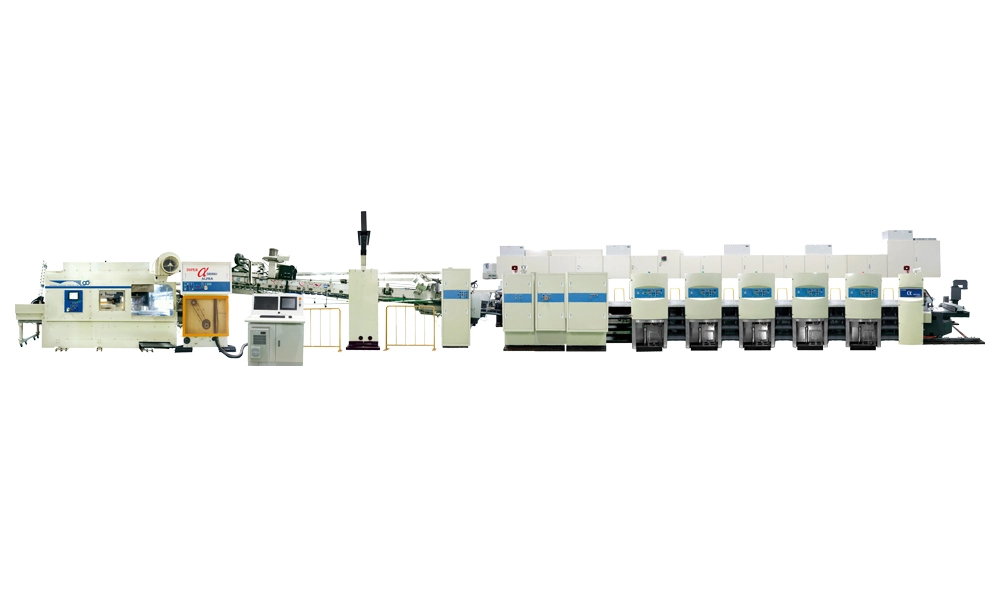
High-grade Full Automatic Flexo Printing Slotting Die Cutting Inline Folding Gluing and Countering Ejectoring Machine
Discover the Keshenglong&Shinko High-grade Full Automatic Flexo Printing Slotting Die Cutting Inline Folding Gluing and Countering Ejectoring Machine, the epitome of precision and efficiency. Ideal for modern packaging needs, this advanced machine streamlines operations by seamlessly integrating printing, slotting, die-cutting, folding, gluing, and ejecting processes. Elevate your production line with Keshenglong's innovative solution, designed to enhance productivity and deliver exceptional results.
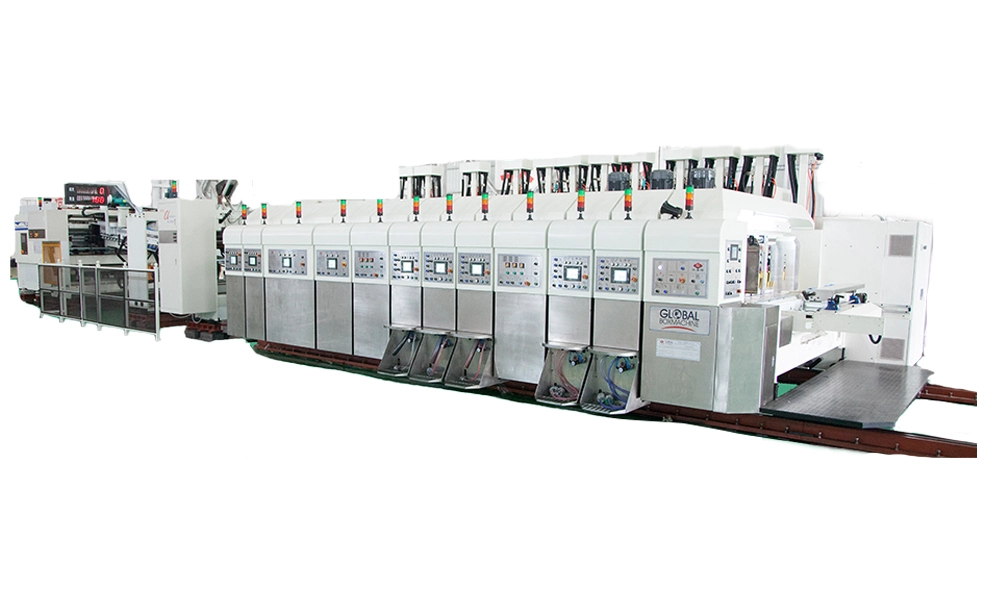
Computerized Flexo Printing Slotting Die-Cutting Inline Folding Gluing Countering Ejecting Machine
Introducing the Keshenglong&Shinko Computerized Flexo Printing Slotting Die-Cutting Inline Folding Gluing Countering Ejecting Machine. Engineered for precision, this advanced machine streamlines your packaging production with integrated Flexo Printing Slotting Die-Cutting functionalities. Seamlessly perform inline folding, gluing, countering, and ejecting—all in one efficient system. Designed for optimal performance, it enhances productivity while reducing downtime.
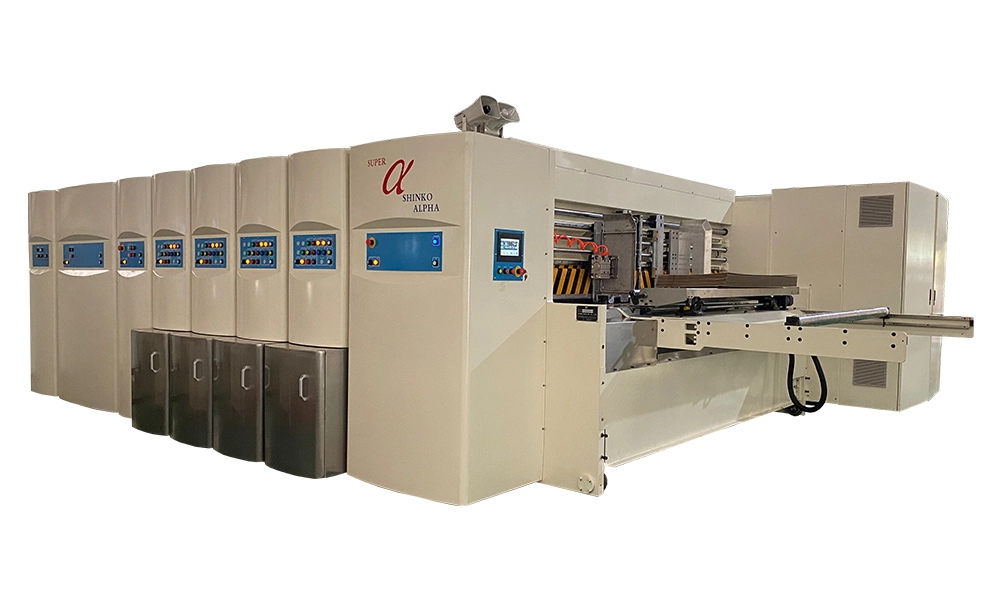
Shinko Super Alpha Movable Type Full Servo Drive Flexo Printing Slotting Die Cutting Machine
Introducing the Shinko Super Alpha Movable Type Full Servo Drive Flexo Printing Slotting Die Cutting Machine by Keshenglong. Engineered for precision and efficiency, this state-of-the-art machine enhances your production line with its advanced servo drive technology. Designed for seamless Flexo printing, slotting, and die-cutting, it ensures superior quality with every output.
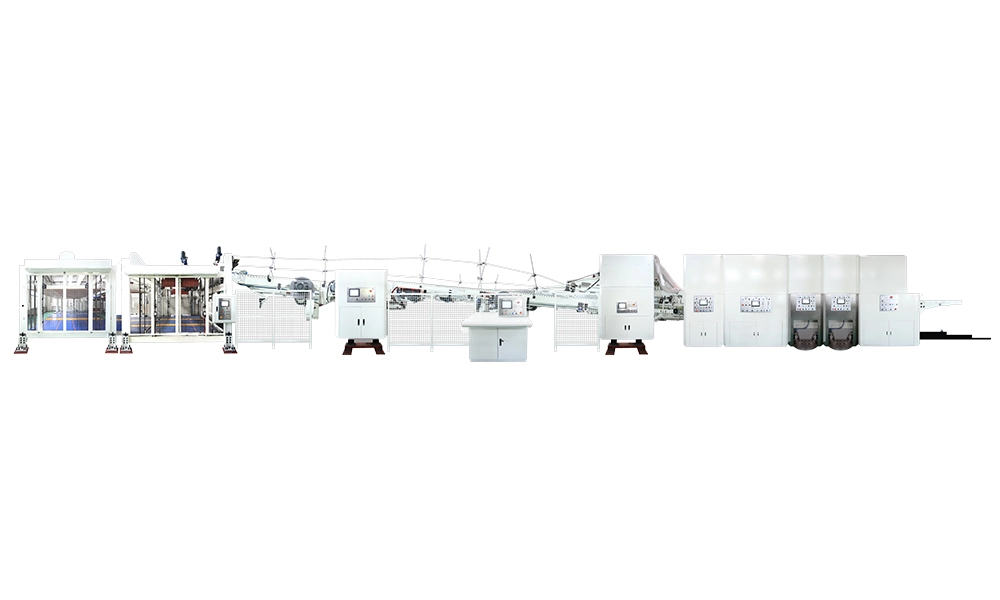
Jumbo Flexo Bottom Printing Slotting Die-Cutting Inline Folding Gluing Countering Ejecting Machine
Introducing the Keshenglong&Shinko Jumbo Flexo Bottom Printing Slotting Die-Cutting Inline Folding Gluing Countering Ejecting Machine. This advanced flexo printing slotting die-cutting machine ensures precision and efficiency for your packaging needs. Designed as a versatile flexo folder gluer machine, it optimizes every step from printing to ejecting, delivering seamless integration and superior quality.


© 2025 Keshenglong & SHINKO All Rights Reserved.
Keshenglong Carton Packing Machine
Keshenglong Carton Packing Machine
Keshenglong Carton Packing Machine
Keshenglong Carton Packing Machine
Keshenglong Carton Packing Machine