
Flexo vs Digital vs Gravure: Which Printing Tech Wins?
- Choosing the Right Printing Tech for Corrugated & Packaging
- Overview — why the choice matters for your production
- How Each Technology Works
- Flexo printing machine — process and strengths
- Digital printing — process and strengths
- Gravure printing — process and strengths
- Cost Structure & Run-Length Economics
- Comparing fixed vs variable costs for real-world decisions
- Print Quality, Color Control & Gamut
- Measuring quality and what brand owners care about
- Speed, Throughput & Waste Considerations
- Which tech gives the best productivity on a shop floor?
- Substrate Compatibility & Finishing
- Corrugated cartons: why flexo is often the default
- Sustainability, VOCs & Operational Impact
- Environmental trade-offs when selecting a press
- Decision Matrix: Which Tech Wins for Common Use Cases
- Practical guidance for converters and brand owners choosing a flexo printing machine or alternative
- Keshenglong & Shinko — Manufacturer Spotlight and Competitive Advantages
- Keshenglong products and how they fit the market
- Shinko integration, parts sourcing and technical strengths
- Export footprint and solution positioning
- Practical Checklist When Evaluating a New Flexo Printing Machine
- Questions to validate before purchase
- Conclusion — which technology 'wins'?
- Contextual answer: no single winner, but clear rules of thumb
- FAQ — Frequently Asked Questions
- 1. What run-length makes a flexo printing machine more economical than digital?
- 2. Can flexo match the print quality of gravure or digital?
- 3. Are there digital options for corrugated cartons?
- 4. How important is vendor service and parts sourcing when buying a flexo printing machine?
- 5. What environmental considerations should I check when choosing a printing tech?
- Contact & Product Inquiry
- Want help choosing or viewing flexo printing machine options?
- References & Further Reading
Choosing the Right Printing Tech for Corrugated & Packaging
Overview — why the choice matters for your production
Selecting between a flexo printing machine, digital press, and gravure system is one of the most consequential decisions for converters, brand owners, and packagers. The right technology affects unit cost, lead time, print quality, substrate choices, sustainability footprint, and total cost of ownership. This article compares the three technologies on measurable criteria, explains when each wins, and provides a decision matrix tailored to corrugated carton and packaging operations.
How Each Technology Works
Flexo printing machine — process and strengths
Flexographic printing uses flexible photopolymer plates mounted on rotating cylinders to transfer low-viscosity inks (water-based, UV, solvent, or EB) onto substrates. Modern flexo printing machines for corrugated cartons combine inline printing, slotting, die-cutting and stacking, enabling high productivity and reduced handling. Flexo strengths: good throughput, reasonable plate cost, broad substrate compatibility, and fast changeovers with prepress optimization.
Digital printing — process and strengths
Digital presses (toner-based electrophotography or inkjet) transfer images directly from electronic files to substrate without plates. This eliminates plate costs and shortens setup times, making digital ideal for short runs, versioning, and personalization. Digital excels at reduced waste and rapid turnaround, but per-unit cost is higher for long runs compared with flexo or gravure for many applications.
Gravure printing — process and strengths
Gravure (rotogravure) uses engraved metal cylinders where cells hold ink that is transferred to the substrate. Gravure delivers the highest continuous-tone quality, very consistent color, and exceptional speed on long runs, but cylinder costs and lead times are large, making gravure best for very high-volume work where per-unit costs amortize the cylinder expense.
Cost Structure & Run-Length Economics
Comparing fixed vs variable costs for real-world decisions
When evaluating a new flexo printing machine versus digital or gravure, understand fixed vs variable costs. Fixed costs: plates/cylinders, setup labor, capital equipment. Variable costs: ink, substrate waste, maintenance, energy. Rough industry patterns are consistently observed:
| Metric | Flexo | Digital | Gravure |
|---|---|---|---|
| Best run-length | Medium to long (thousands–hundreds of thousands) | Short to medium (single units–thousands) | Very long (hundreds of thousands–millions) |
| Prepress cost | Low–medium (photopolymer plates) | Very low (no plates) | High (engraved cylinders) |
| Cost per 1,000 (typical pattern) | Competitive after moderate runs | Higher for long runs, lowest for tiny runs | Lowest at very high volume |
| Changeover / setup time | Moderate | Minimal | Long |
Concrete break-even points vary by product, ink type, substrate and regional labor/energy costs. Use case-driven cost models are essential: for variable SKU short runs, digital often wins; for tens-to-hundreds of thousands per SKU, flexo printing machines typically offer the best balance; for multi-million runs with the highest image fidelity, gravure remains unbeatable.
Print Quality, Color Control & Gamut
Measuring quality and what brand owners care about
Quality metrics include resolution, tonal range, ink density, dot gain and color repeatability. Gravure historically has the widest tonal range and most consistent density due to engraved cells holding large volumes of ink. Flexo quality has improved dramatically—HD flexo plates, anilox roll technology and UV curing close the gap, especially for carton-grade graphics. Digital print quality varies by platform; high-end inkjet can match flexo for many applications and offers instant color proofing.
Speed, Throughput & Waste Considerations
Which tech gives the best productivity on a shop floor?
Production speed needs to be judged alongside net throughput (good units per hour), waste during makeready, and overall uptime. A flexo printing machine paired with inline finishing (slotting, die-cutting and stacking) minimizes handling and often outperforms standalone digital in total throughput for moderate-to-high volumes. Gravure runs at very high web speeds suitable for reels and high-volume packaging. Digital reduces makeready waste to near zero for short runs, improving effective yield for frequent changeovers.
Substrate Compatibility & Finishing
Corrugated cartons: why flexo is often the default
Corrugated carton production commonly uses flexo printing machines because flexo inks and plate characteristics adapt well to textured and fibrous boards. Flexo platforms designed for corrugated often integrate slotting and die-cutting—delivering single-pass printing-to-box solutions. Digital presses for corrugated are emerging but require precoating or special inks; gravure is less common for corrugated due to cylinder handling and substrate limitations.
Sustainability, VOCs & Operational Impact
Environmental trade-offs when selecting a press
Environmental factors include VOC emissions, energy use, consumable waste and recyclability. Water-based and UV flexo inks reduce VOC concerns versus solvent-based systems. Digital eliminates plate waste and reduces overproduction risk through on-demand printing. Gravure with high ink volumes can have greater solvent use historically but modern closed-loop and solvent recovery systems mitigate impacts. Operational sustainability is now a competitive factor—customers and retailers demand lower carbon and waste footprints.
Decision Matrix: Which Tech Wins for Common Use Cases
Practical guidance for converters and brand owners choosing a flexo printing machine or alternative
Below is a summarized decision matrix—use it as a starting heuristic, then model your specific run-lengths, SKU mix and product specs.
| Use Case | Recommended Tech | Why (summary) |
|---|---|---|
| Short runs / personalization | Digital | No plates, minimal makeready, ideal for variable data |
| Corrugated cartons (medium-high volume) | Flexo printing machine (inline) | Best balance of cost, substrate compatibility and finishing integration |
| Very high-volume packaging (long runs) | Gravure | Lowest per-unit cost at extreme volumes and highest tone quality |
| High photographic quality on films/labels | Gravure or high-end digital | Gravure for consistent solids; digital for short runs with photographic detail |
Keshenglong & Shinko — Manufacturer Spotlight and Competitive Advantages
Keshenglong products and how they fit the market
Keshenglong, founded in 1995 and specialized in manufacturing corrugated carton printing machines & solutions, is a leading manufacturer based in China. Their main product lines include flexo printer, computerized high-speed flexo slotting die-cutting machines (1–6 color), computerized high-speed flexo case makers, 6+1 high-precision precision printing slotting die-cutting machines, top & bottom printing slotting die-cutting machines, jumbo-size flexo printing slotting die-cutting machines, and integrated stacker solutions. For converters seeking an inline flexo printing machine that minimizes handling and integrates finishing, Keshenglong’s systems are designed to deliver consistent throughput and lower operational complexity.
Shinko integration, parts sourcing and technical strengths
Merged into Keshenglong in 2017, Japan Shinko remains the R&D center and production base, and another production base is established in Guangzhou, China. Key parts are imported from Japan, and machines are instructed by experienced Japanese technicians and installed/tested on-site to ensure quality consistent with Japan Shinko standards. This cross-national integration gives Keshenglong competitive differentiation: global parts quality, Japanese technical guidance, and cost-competitive Chinese manufacturing.
Export footprint and solution positioning
As a supplier of integrated intelligent packaging solutions, Keshenglong’s products have been exported to more than 70 countries. Their corrugated carton flexo printing machine lines—combined with slotting die-cutting and stacker options—target converters who need high-speed inline productivity, repeatable color, and flexible configuration (1–6 colors, top & bottom printing, jumbo formats). For many mid-to-large converters, this positions Keshenglong as an alternative to higher-cost Japanese/European OEMs while retaining Japanese-engineering influence via Shinko.
Practical Checklist When Evaluating a New Flexo Printing Machine
Questions to validate before purchase
- What is your SKU mix and average run-length? (drives tech choice)
- Do you require inline finishing (slotting, die-cutting, stacking) to reduce handling?
- What substrates and thickness ranges must the machine handle (single/double wall, coated/PE liners)?
- What ink systems do you need (water-based, UV, solvent-free)?
- What are your expected uptime and service response requirements?
- Can the vendor provide references and on-site commissioning with trained technicians (e.g., Keshenglong/Shinko model)?
Conclusion — which technology 'wins'?
Contextual answer: no single winner, but clear rules of thumb
There is no universal winner. The best choice depends on run-length, quality needs, substrate, and business priorities. Key takeaways:
- For corrugated carton production where medium-to-high volumes, integrated finishing, and substrate flexibility matter, an inline flexo printing machine is often the best overall solution.
- For short runs, personalization and very fast time-to-market, digital is the superior choice.
- For the highest quality and lowest per-unit cost at extreme volume, gravure still wins.
FAQ — Frequently Asked Questions
1. What run-length makes a flexo printing machine more economical than digital?
While exact break-evens depend on ink, substrate, labor and local costs, flexo generally becomes more economical than digital for runs in the low thousands to tens of thousands per SKU. For many corrugated applications, runs of 2,000–10,000 units are often where flexo becomes attractive; beyond this range flexo's per-unit advantages grow. Conduct a case-specific cost model to confirm.
2. Can flexo match the print quality of gravure or digital?
Modern HD flexo (improved plates, advanced anilox rolls, UV curing) can approach gravure quality for many packaging graphics and often matches high-end digital for corrugated cartons. Gravure still leads on continuous-tone photographic depth, but the practical difference for consumer-facing carton graphics has narrowed.
3. Are there digital options for corrugated cartons?
Yes. There are digital presses adapted for corrugated substrates, often requiring pre-coating or special inks and dedicated handling systems. Digital is ideal for short-run, versioned packaging, but it currently lags flexo in throughput for high-volume carton production.
4. How important is vendor service and parts sourcing when buying a flexo printing machine?
Extremely important. Local service response, availability of spare parts and skilled technicians determine uptime. Merged operations like Keshenglong with Shinko R&D and Japanese parts sourcing combine cost advantages with stronger technical support—an important factor for mission-critical corrugated lines.
5. What environmental considerations should I check when choosing a printing tech?
Assess VOC emissions, solvent recovery, ink chemistry (water/UV/solvent), energy use, and waste during makeready. Digital reduces plate waste and overproduction risk, UV/water-based flexo reduces VOCs, and modern gravure systems can include solvent recovery. Compliance with local environmental regulations and customer sustainability requirements should guide the decision.
Contact & Product Inquiry
Want help choosing or viewing flexo printing machine options?
If you want help sizing machines, comparing total cost of ownership, or viewing product specs and demonstrations (including Keshenglong & Shinko solutions such as corrugated carton flexo printing machines, flexo printing slotting die-cutting machines, and integrated stacker systems), contact the supplier or request a site visit. For product brochures, demos and quotes, reach out to the vendor sales team and ask for case studies and local references to validate performance in similar operations.
References & Further Reading
- Flexography — Wikipedia. https://en.wikipedia.org/wiki/Flexography (accessed 2025-12-29)
- Gravure printing — Wikipedia. https://en.wikipedia.org/wiki/Gravure_printing (accessed 2025-12-29)
- Digital printing — Wikipedia. https://en.wikipedia.org/wiki/Digital_printing (accessed 2025-12-29)
- Packaging Europe — articles on flexo and digital packaging trends. https://www.packagingeurope.com/ (accessed 2025-12-29)
- Keshenglong company overview (manufacturer materials provided by client). Company historical and product details as described by supplier internal documentation (accessed 2025-12-29)
Note: For site-specific ROI models and run-length break-even analysis, request vendor-provided calculators or consult a packaging production financial model with your substrate and ink cost data.
Everything You Need to Know About flexo printer slotter machine for corrugated box
How to Choose Right flexo printing folder gluer machine manufacturer and supplier ?
What are the different types of Corrugated Box Machines?
Top 10 corrugated box printing machine manufacturers Manufacturers and suppliers brand
Shipping
What are the shipping dimensions and weight of your folding carton machines?
Shipping dimensions and weight vary by model; please refer to the specific product details for accurate information.
Do you provide installation services upon delivery?
Yes, we offer on-site installation and training services to ensure your machine is set up correctly.
Can I track my shipment once it has been dispatched?
Yes, we provide tracking information for all shipments so you can monitor the delivery status.
Do you offer international shipping for your machines?
Yes, we offer international shipping and can handle all necessary customs documentation.
Industry Solutions
How do your machines comply with industry standards and regulations?
Our machines are manufactured to meet or exceed industry standards and regulations, ensuring safe and compliant operation.
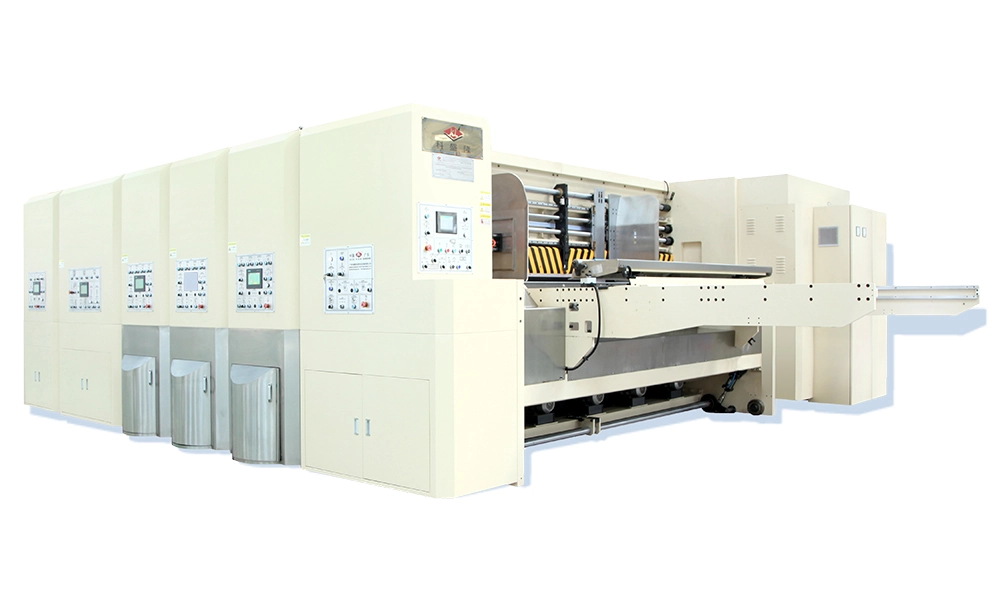
Computerized Jumbo Corrugated Carton Box Flexo Printing Slotting Die-Cutting Machine
Introducing the Keshenglong&Shinko Computerized Jumbo Corrugated Carton Box Flexo Printing Slotting Die-Cutting Machine – your top choice for precision and efficiency in packaging solutions. Engineered to deliver high-quality outputs, this advanced Flexo Printing Slotting Die-Cutting Machine enhances production processes, ensuring accuracy and consistency. Optimize your operations and improve productivity with its user-friendly interface and robust construction.
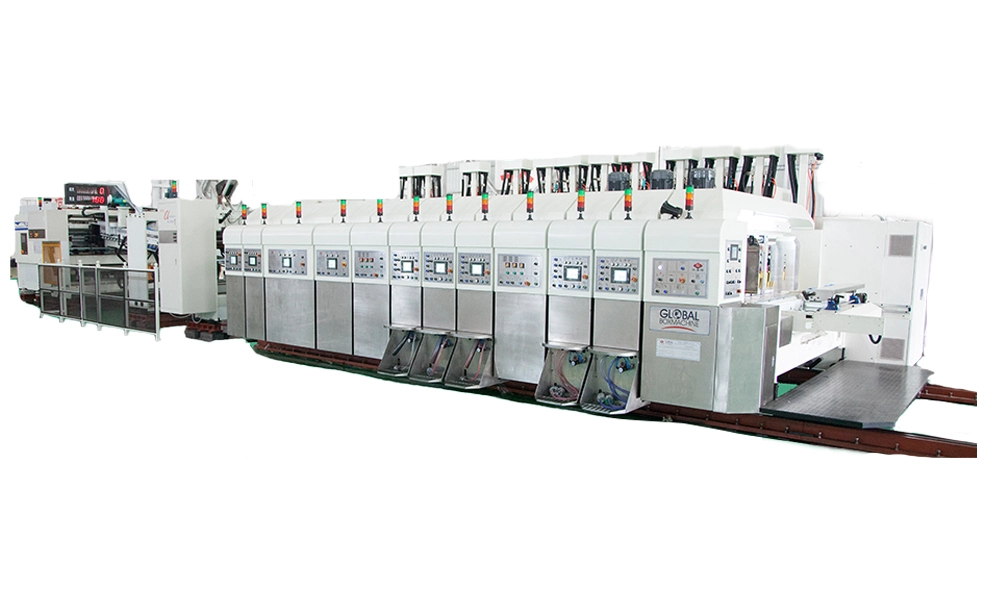
Computerized Flexo Printing Slotting Die-Cutting Inline Folding Gluing Countering Ejecting Machine
Introducing the Keshenglong&Shinko Computerized Flexo Printing Slotting Die-Cutting Inline Folding Gluing Countering Ejecting Machine. Engineered for precision, this advanced machine streamlines your packaging production with integrated Flexo Printing Slotting Die-Cutting functionalities. Seamlessly perform inline folding, gluing, countering, and ejecting—all in one efficient system. Designed for optimal performance, it enhances productivity while reducing downtime.
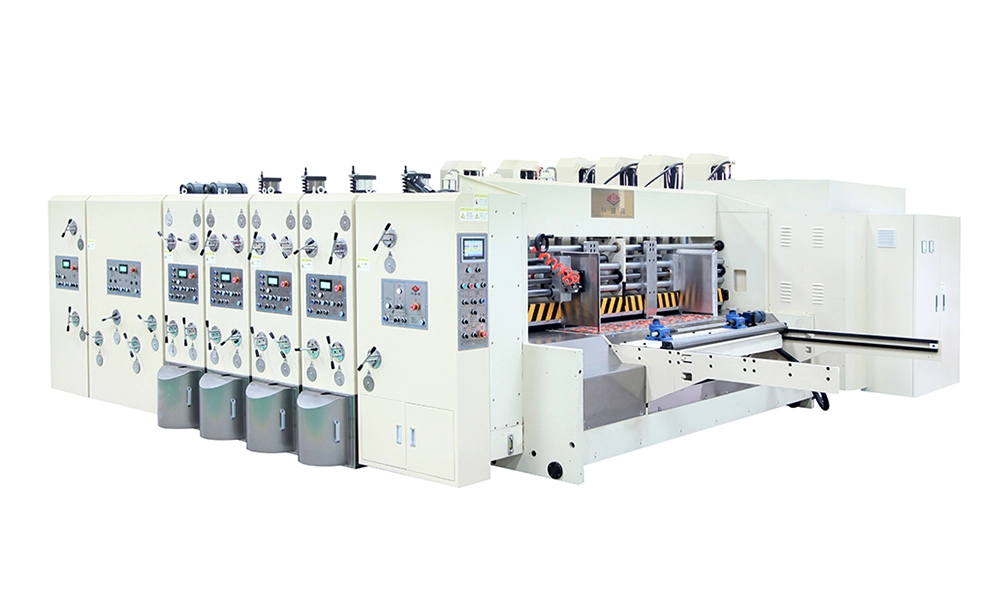
Computerzied Semi Auto Flexo Printing Slotting Die-Cutting Machine
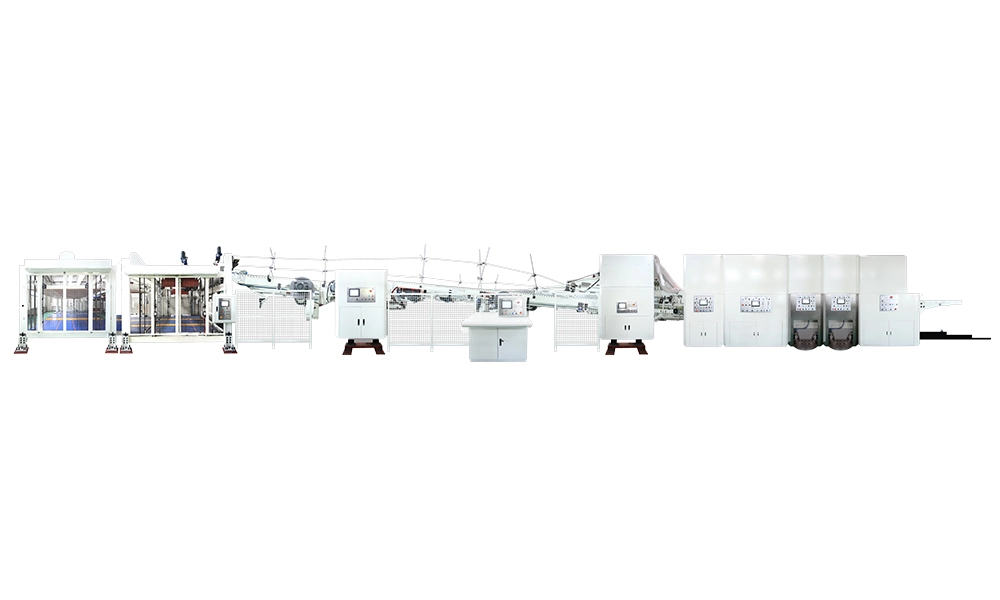
Jumbo Flexo Bottom Printing Slotting Die-Cutting Inline Folding Gluing Countering Ejecting Machine
Introducing the Keshenglong&Shinko Jumbo Flexo Bottom Printing Slotting Die-Cutting Inline Folding Gluing Countering Ejecting Machine. This advanced flexo printing slotting die-cutting machine ensures precision and efficiency for your packaging needs. Designed as a versatile flexo folder gluer machine, it optimizes every step from printing to ejecting, delivering seamless integration and superior quality.


© 2025 Keshenglong & SHINKO All Rights Reserved.
Keshenglong Carton Packing Machine
Keshenglong Carton Packing Machine
Keshenglong Carton Packing Machine
Keshenglong Carton Packing Machine
Keshenglong Carton Packing Machine